Conservation
Environmental and waterway news.
Latest in Conservation
Florida Fish & Wildlife Conservation Updates – September 2012
Florida Recreational fshing license not required when targeting lionfish Harvesting invasive lionfish no longer will require a fishing license when using …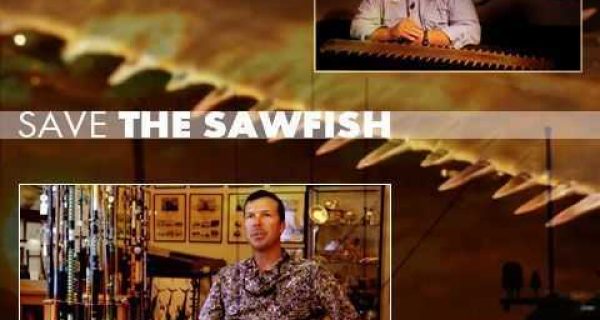
Save the Sawfish
Science and the pinnacle of big-game fishing come together in this film, which features some of the only known video ever captured in the wild of one of the world's most endangered fish, the largest fish in Florida's inshore waters and the first marine fish protected by the Endangered Species Act - the smalltooth sawfish.Anglers on Fla. east coast can help FWC gather red snapper data
Researchers with the Florida Fish and Wildlife Conservation Commission (FWC) and the National Oceanic and Atmospheric Administration (NOAA) are looking …5th Annual Treasure Coast Waterway Cleanup scores ton of trash
STUART, FL — The Marine Industries Association of the Treasure Coast (MIATC) conducted its fifth annual Treasure Coast Waterway Cleanup …FFWCC Updates – August 2012
Okeechobee man recognized as Hunter Safety Instructor of the Year The Florida Fish and Wildlife Conservation Commission (FWC) has named …