Conservation

Environmental and waterway news.

Latest in Conservation
March Freshwater Fishing

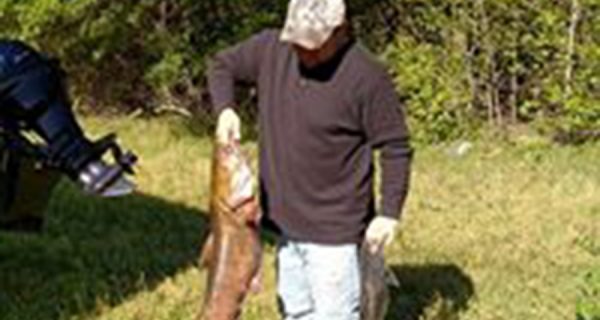
Freshwater fishing has been really good this winter in Charleston, SC. Yes, you read that correctly. The blue and flat …
Waterkeeper Rangers

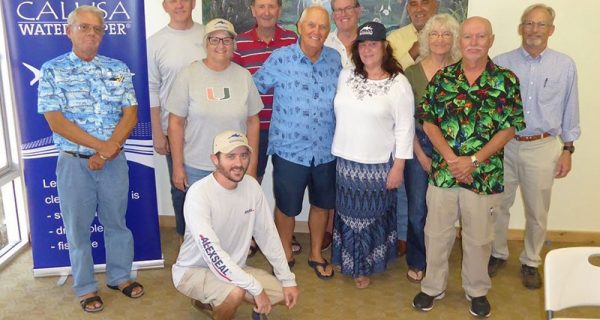
by John Cassani Our volunteer Waterkeeper Rangers have done a great job the past year, sharing observations of water conditions, …
Going Green with Green Fishing Gear

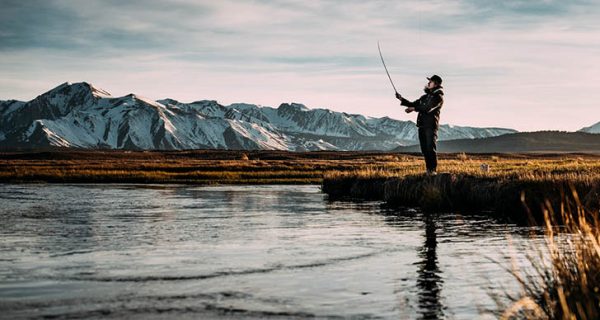
The aquatic environment is extremely fragile. What we take on our fishing trips, and what we leave behind can have large implications for the fish.
Tiger Shark Continues 37,565-Mile Journey

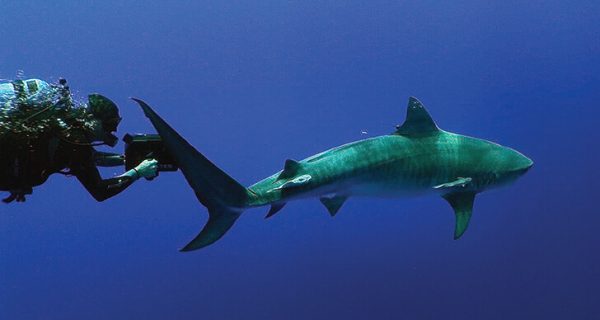
Traveling the eastern coast of the United States and around Bermuda, the Bahamas and Turks and Caicos, Andy is now the longest tracked tiger shark recorded.
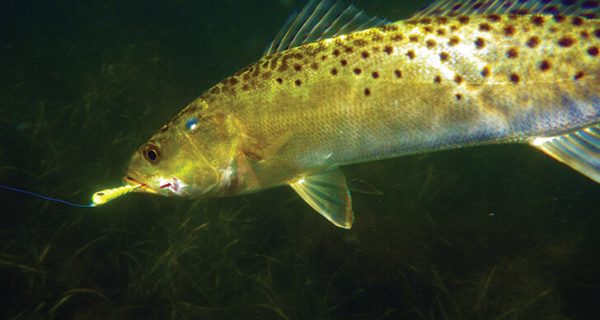
North Carolina Shuts Down Spotted Seatrout Harvest

The spotted seatrout season will remain closed in all waters until June 15th, when it will reopen by proclamation from DMF.
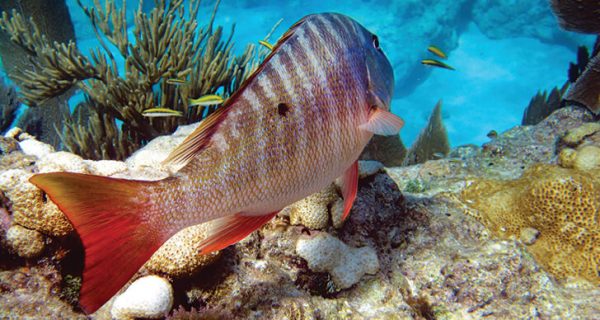

South Atlantic Mutton Snapper Limit Decreases

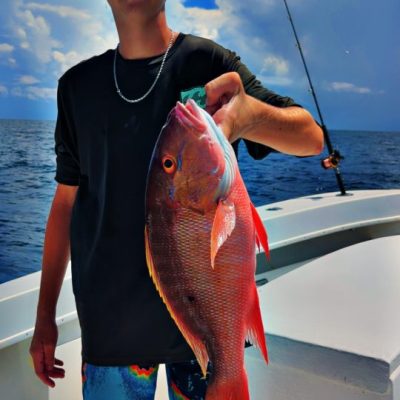
In January, NOAA Fisheries announced a decrease in the mutton snapper limit and an increase in the minimum size limit for the South Atlantic Fishery.

Popular This Month

Read The June Issue!

Read the latest issue in your area!

Do the Electric Slide: Jigging Under Power!

The electric reel is a game changer for high-speed jigging. Electric provides some distinct advantages in comparison to hours spent manually cranking jigs at high speed through the water column.

12th Annual Skippers Dolphin Tournament May 29th – May 31st, 2026

The 12th Annual Skippers Dolphin Tournament returned to Key Largo May 29–31, 2026, bringing together anglers from across the region for an exciting weekend of offshore fishing, big payouts, dockside festivities, and Florida Keys camaraderie.

Retention Limit Adjustment: Atlantic Bluefin Tuna Angling Category Fishery

NOAA Fisheries is adjusting the Atlantic bluefin tuna daily retention limits for recreational fishermen. The adjusted limits will take effect June 1, 2026, and extend through December 31, 2026, unless modified by later action. NOAA Fisheries may need to take additional action later in the year to further adjust the retention limits or close the fishery.