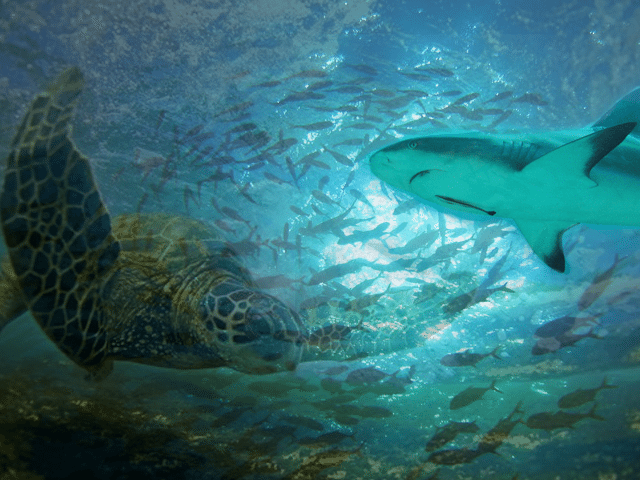
 Protection and preservation of our earth’s and marine ecosystems is everyone’s responsibility. Numerous marine conservation strategies exist, including setting up protected areas, developing sustainable fisheries, protecting endangered species, and curtailing human activities that are detrimental to marine ecosystems. The last, “curtailing human activities that are detrimental,” is often the hardest to implement. It should be the easiest.
Coastal Angler Magazine is printed with vegetable dyes and on recycled paper. That is just one of the small steps we have taken to lessen our impact upon the environment. Every month, we bring conservation messages to our readers from around the globe. And, we report on sustainable practices and the science behind them to help others understand issues and why certain programs are in place. You’ll also find our logo associated with many conservation focused programs.
One of the simpliest actions all of us can do to help protect the environment is to pick up our own trash, and that we may find on the shoreline, in the water, or on the reefs. Lead by example and others will follow.
The Treasure Coast edition of Coastal Angler Magazine is proud to bring our readers the latest news from conservation groups near and far, such as the Florida Oceanographic Society, Guy Harvey Ocean Foundation, The Billfish Foundation, and conservation groups on the other side of “The Stream”, such as The Bahamas National Trust, Friends of the Environment, Cape Eleuthera Institute, and the Bimini Biological Field Station (The Shark Lab) .
Please consider supporting the efforts of these groups through volunterism, donations and sharing their messages with others.
We welcome environmental and conservation submissions, questions, comments and suggestions. Together we all can help educate one another and help make a difference one step at a time.
[catlist id=8]