

The time has come to Ramp Up America’s Fish Stocking Program
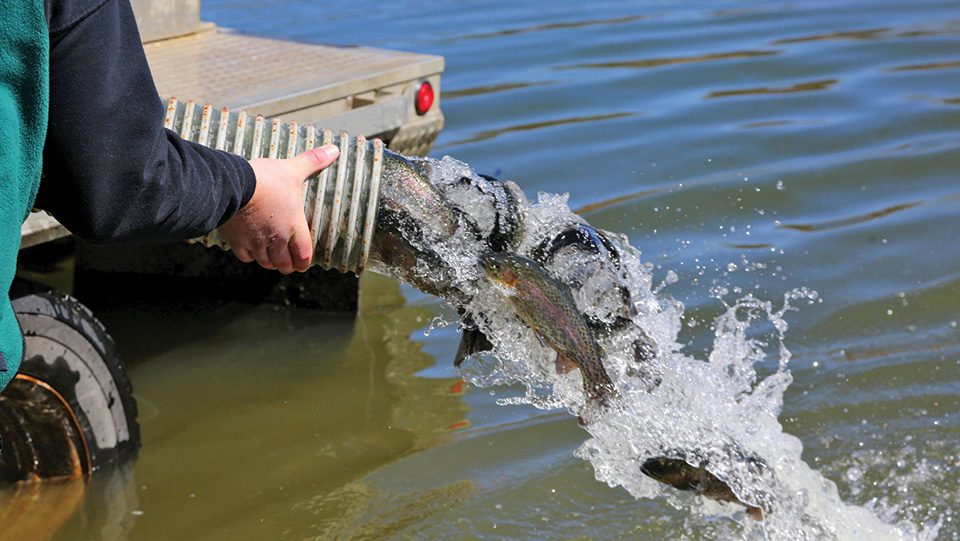
Fish stocking has been a vital tool for maintaining healthy fish populations in America’s lakes, rivers, and reservoirs. However, in recent years, most of our waterways have suffered from declining fish stocks due to habitat destruction, overfishing, pollution, and climate change. If we’re going to combat these challenges, we’re going to need to ramp up our fish stocking efforts to ensure the sustainability of recreational fishing, and food security.
Fishing is one of America’s most popular outdoor activities, with millions of anglers heading to the water each year. The recreational fishing industry contributes over $125 billion to the economy annually and supports nearly a million jobs. Unfortunately, declining fish populations threaten our industry, leading to fewer opportunities for anglers and reduced economic benefits for communities that rely on fishing tourism.
By increasing fish stocking efforts, states could easily replenish popular game fish species like redfish, flounder bass, trout, walleye, and crappie, ensuring that anglers have plenty of fish to catch. This not only keeps fishing enthusiasts engaged but also sustains the businesses like as bait shops, tackle manufacturers, and guide services that depend on a thriving fishery. Additionally, if we’re going to encourage a younger generation of anglers to be passionate about this wonderful pastime, they’ve gotta be able to catch fish.
Many ecosystems are under constant pressure from habitat degradation, invasive species, and pollution. In some cases, native fish populations struggle to maintain healthy numbers, which can lead to an imbalance in the food chain. Stocking efforts can help restore native species in waters where they have declined, preventing the dominance of invasive species that may outcompete them.
While recreational fishing is the primary focus of most stocking programs, increased fish stocking can also support food security. Stocked fish provide a renewable source of protein for both commercial fisheries and subsistence anglers.
Enhanced fish stocking efforts can help mitigate the negative impacts that we’re seeing by introducing hybrid climate-resilient strains of fish, The technology is there, we just have to use it. Without proactive stocking and conservation efforts, many of our favorite species of fish could see dramatic declines in the coming decades.
America’s fish stocking programs could and should play a critical role in maintaining healthy fish populations, supporting the economy, preserving ecosystems, and enhancing food security. With increasing environmental and economic pressures threatening fisheries, it’s time for a significant investment in stocking efforts. By expanding hatcheries, improving stocking strategies, and integrating habitat conservation efforts, America can ensure that its waters remain abundant with fish for generations to come.
Your voice is important, and if policymakers act now, the benefits of an enhanced fish stocking program will ripple through communities, ecosystems, and economies nationwide. It’s going to take a lot to redirect resources to a restocking effort. If you’d like to join us on this mission, please fill out the form below.