
 By Stephen Rampersad
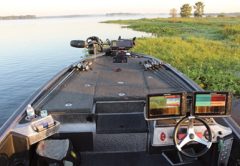
Afriend of mine recently called to tell me about a handmade crankbait he had been tearing the bass up with on his local lake. It was designed specifically for those conditions and perfectly matched the baitfish and shoreline structure there. He swore it was the best bass bait made. The problem is, I do not fish his lake. The lakes I fish are loaded with heavy vegetation, and that same bait would spend more time buried in hydrilla than catching fish. It was a good reminder that there is no perfect bait for every situation. Water clarity, temperature, vegetation, tides, moon phases, and structure all influence fish behavior and feeding patterns. Learning to recognize and adjust to those conditions is what consistently makes anglers more successful.
One of the biggest mistakes anglers make is choosing a bait based only on confidence instead of conditions. Confidence matters, but understanding why fish are feeding, where they are positioned, and what they are feeding on can dramatically improve your chances. Water clarity, water temperature, barometric pressure, vegetation, cover, structure, bottom topography, tides, and moon phases all play a role in fish behavior and feeding patterns.
 Take two completely different scenarios. A lake with clear, clean, warm water should be fished very differently than cold, murky water. In warm, clear water, fish are more active and visibility is high. In that situation, I would likely start with a swimming or flashing bait in white, pearl, or clear patterns. Maybe even a topwater glider. Fish can see farther and are more willing to chase an active presentation.
Now picture cold, muddy water. Visibility is low and fish are often sluggish. Instead of chasing a fast moving bait, they are more likely to feed opportunistically near the bottom. That is where slowing down becomes important. Smaller soft plastics in worm or crawfish patterns worked slowly along the bottom can be far more effective. Same species, completely different approach.
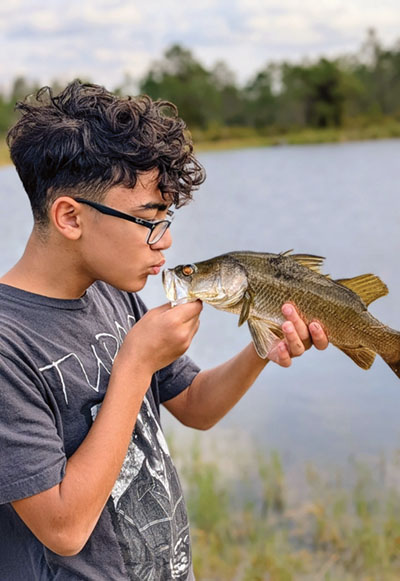 Vegetation and structure matter just as much. A Rat L Trap with two treble hooks is not going to perform well ripped through hydrilla or lily pads. In heavy cover, weedless presentations like frogs or Texas rigged plastics make much more sense. At the same time, a topwater frog skimming across open deep water with little vegetation serves very little purpose. Matching the bait to the environment matters just as much as matching the bait to the fish.
Then you add the moon into the equation. Moon phases affect tides and nighttime light, and both directly influence feeding behavior. During the new moon and full moon, the sun, moon, and earth line up, creating stronger tidal swings known as spring tides. More moving water means more current, and current carries food. Predators position themselves where food is easiest to intercept. During quarter moon phases, tides weaken and feeding activity often slows with it.
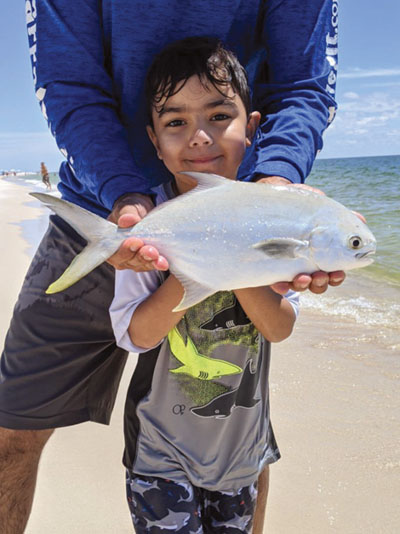 The Farmers Almanac has published fishing calendars for years using lunar phases and solunar tables. These tables track the moon’s position overhead and underfoot along with tidal influence to predict major and minor feeding periods. It is based on gravitational pull and long observed patterns in animal behavior. It is not guesswork. Fish respond to changes in movement, current, and light because they are built to survive and feed efficiently.
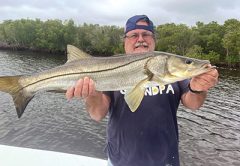
If you know me, you know I love fishing for snook and tarpon. If you really know me, you know I especially enjoy targeting them from bridges. Bridges combine structure, shadow lines, moving water, and artificial light. Add the right tide and moon phase, and patterns begin to repeat themselves.
There is a particular bridge in Tampa Bay that I love to fish in the summer on a strong incoming tide during a new moon. With very little moonlight, snook stack up with their noses right on the shadow line created by the bridge lights. They face into the current waiting for bait to be swept to them. In that situation, a natural presentation drifting through the edge of light and dark can get crushed.
Now take that same bridge during a full moon. The bay is illuminated and the fish are not as dependent on the bridge lights. Instead of forcing that spot, I will often move to a dark channel feeding the bay. On an outgoing tide with a big moon, shrimp, crabs, and baitfish flush from the backwaters. Snook and tarpon spread through the channel feeding higher in the water column on whatever the tide carries out. Same fish. Same area. Completely different setup based on conditions.
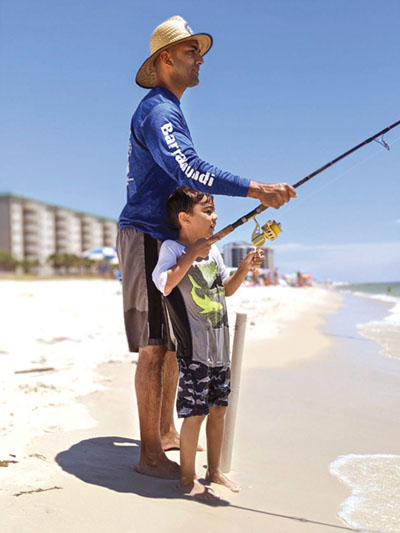
A fish is no different than any other animal. They adapt to their environment and become highly efficient feeders. They target food sources that are easy to access and learn to identify them quickly. Match the meal and you increase your odds. It is the same idea fly fishermen talk about when they say “match the hatch.” If bass are cold and lethargic feeding on crawfish and worms, slow your presentation down with a small rubber worm. If snook are blasting fast moving baitfish in the surf during summer, a fast moving topwater or flashy walking bait can trigger explosive strikes.
This is all just food for thought. Fishing your favorite bait with confidence will always catch fish. Add a better understanding of water conditions, structure, tides, moon phases, and feeding behavior, and your odds improve even more.
In the end, we call it fishing, not catching. But as I always tell my boys, the more you practice/[learn], the luckier you get.