Conservation

Environmental and waterway news.

Latest in Conservation
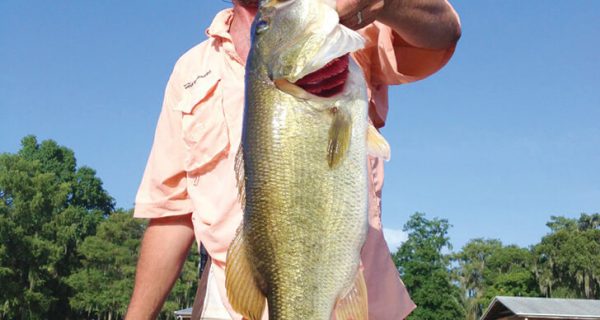
100,000 Pounds of Gizzard Shad Removed Lake Apopka

The St. Johns River Water Management District funds the harvest to help restore water quality and improving habitat for desirable game fish.
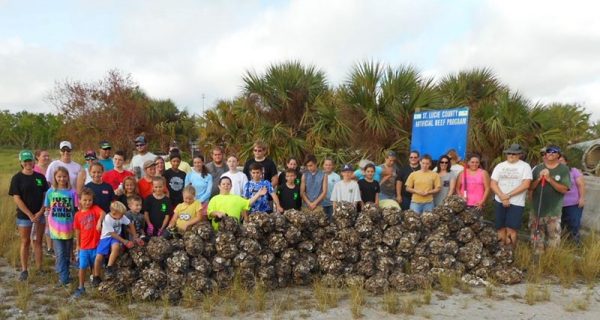
Oyster Restoration Season

It’s oyster restoration season again and as temperatures start to fall volunteers will be constructing oyster modules for placement around the Indian River Lagoon. 
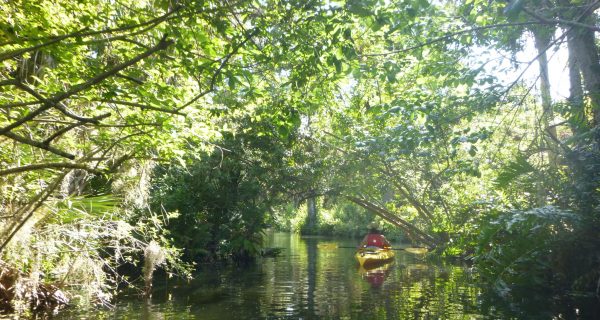
A Paddling Mini-Vacation

By Mike Hammond With cooler weather here, camping along the Calusa Blueway becomes a delight. One of our favorite campgrounds …
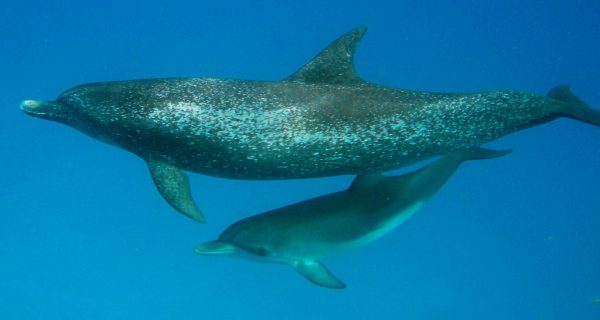
Connect the Dots

By Kelly Melillo Sweeting Do you ever look up at the night sky and search for your favorite constellation? Look …
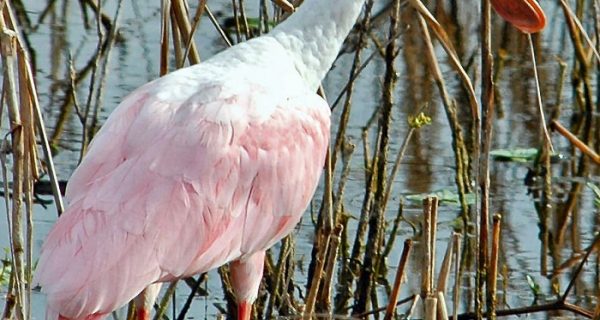
View from Rookery Bay

By Dr. Judith Hushon In the weeks since Irma, the weather has been beautiful out on Rookery Bay, usually with …
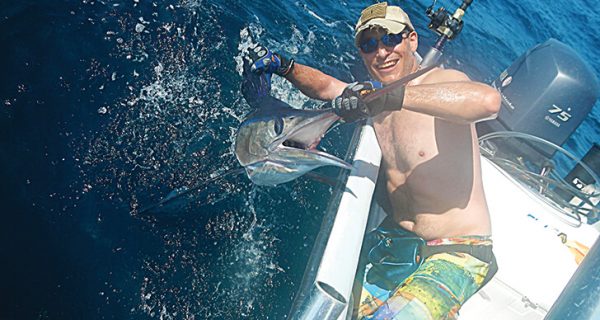

Protecting The Nosara Billfish

“I’ve heard people say ‘A bad day of fishing is better than a good day at work,'" said Master Capt. William Mendoza with his trademark wry smile...

Popular This Month

Outfitting Your Boat for Offshore Fishing

Outfitting a boat for offshore fishing can feel overwhelming, but prioritizing safety, education, and reliable equipment is key to success. From investing in quality safety gear and electronics to choosing versatile tackle and learning from experienced boaters, the right preparation helps reduce risk and maximize your time on the water. Check out some great tips here!

Peacock Bass: South Florida’s Best Kept Secret

Florida’s peacock bass fishery, created by stocking efforts in the 1980s, has quietly become a major success—producing hard-fighting, colorful gamefish that thrive in South Florida canals and offer anglers a unique, world-class experience close to home. Check out some great catches here!

For A Great Fight, Try the Rooster Fish

If you want a fight you won’t forget, target roosterfish. These inshore beasts crush baits and go on screaming runs—pure sport, all adrenaline.

Spring Flounder Trickle

While the fall flounder run is a well-known spectacle, the spring return is a more subtle "trickle" that begins as early as late February. Unlike the concentrated mass exodus of the fall, spring flounder gradually re-enter estuaries through passes and channels, eventually spreading throughout the bays from deep ledges to shallow marsh guts. This transition period offers excellent opportunities for anglers willing to brave the spring winds, using sinking lures for deep water early in the season and shallow-water shrimp imitations as temperatures rise.