
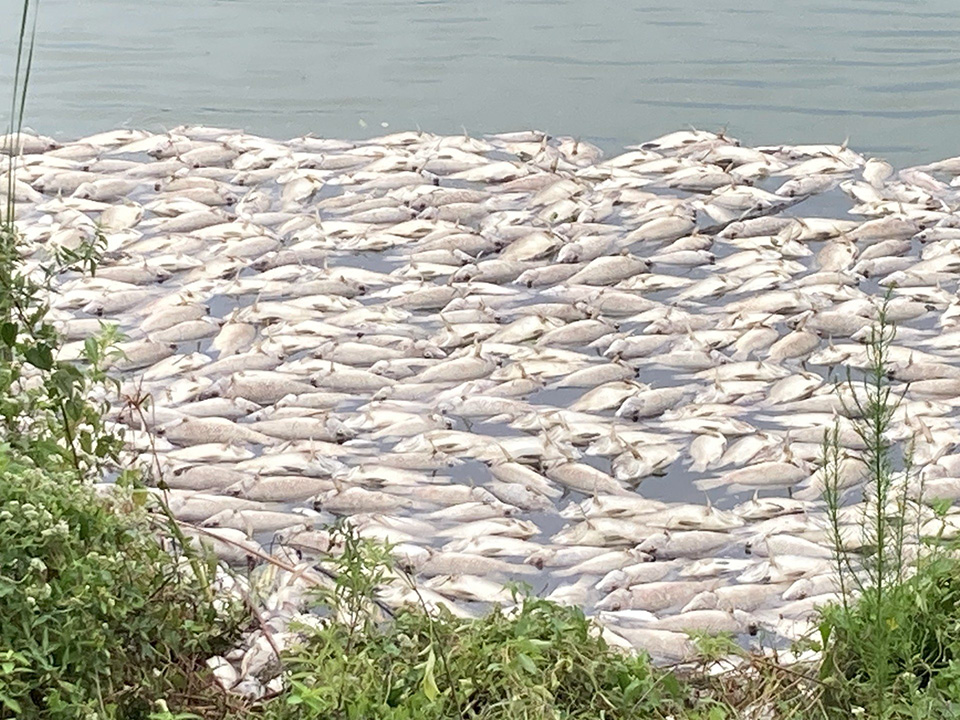
A recent Florida cold snap has resulted in a widespread snook fish kill, with anglers across the state reporting dead and cold-stunned fish in inshore waters, canals, and estuaries.
Videos shared online show large numbers of snook affected by freezing water temperatures, along with other cold-sensitive species such as tarpon and sea trout. While the full impact is still being assessed, early observations suggest the event may rank among the most significant snook kills since the historic 2010 freeze.
Why cold weather kills snook
Snook are a subtropical fish species that struggle when water temperatures drop below 50°F. Extended exposure to cold water can cause cold shock, leaving fish disoriented and unable to recover.
During this freeze, several nights of unusually low air temperatures caused shallow inshore waters to cool rapidly, limiting snook’s ability to find warmer refuge areas.
Reports from Florida waters
Anglers and fishing guides have reported snook mortality in:
- Coastal rivers and creeks
- Residential canals
- Backwater estuaries and lagoons
Many fish were found concentrated in corners, near structure, or floating along shorelines — a common pattern during Florida fish kills caused by cold weather.
How severe is the snook kill?
At this time, Florida Fish and Wildlife Conservation Commission (FWC) biologists have not released official mortality estimates. Past freezes, including the 2010 event, resulted in dramatic declines in snook populations and led to multi-year harvest closures.
Loss of adult snook is especially concerning, as larger fish play a critical role in spawning and population recovery.
What anglers should do now
FWC encourages anglers to:
- Avoid targeting cold-stressed snook
- Handle any incidentally caught fish with care
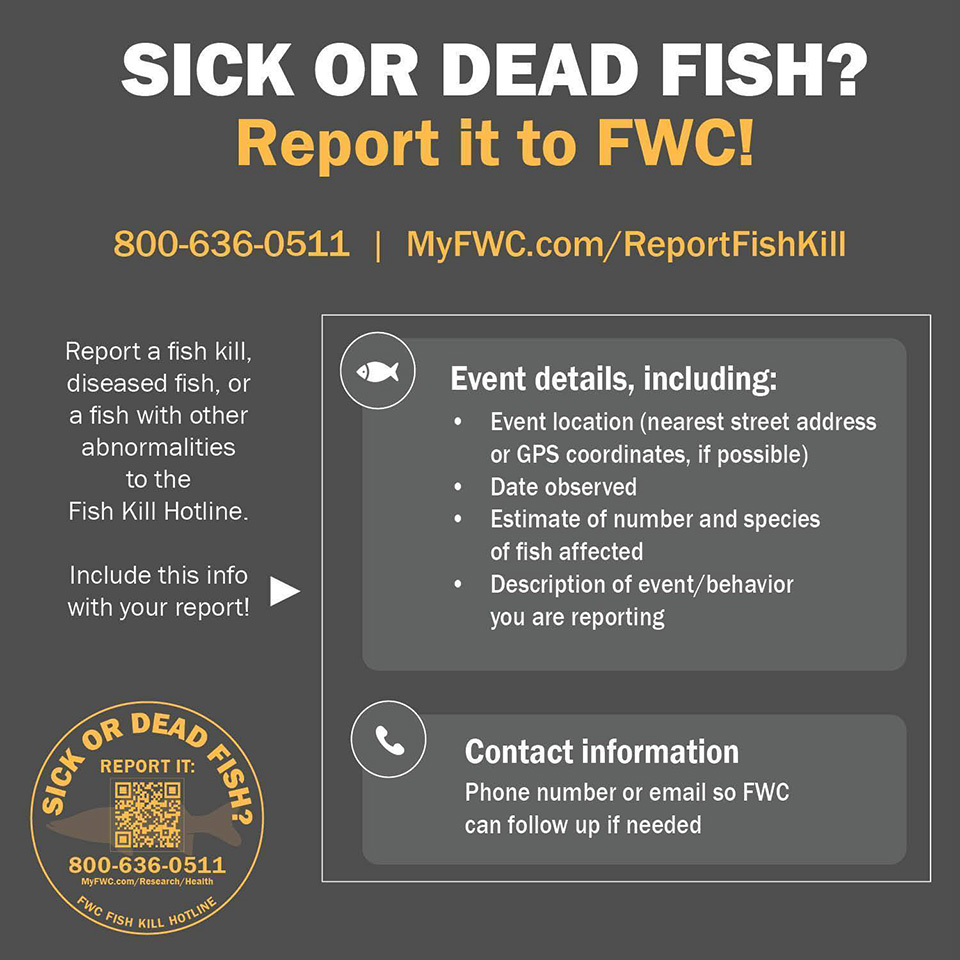
- Report fish kills through FWC’s reporting system
Responsible fishing following a cold event can help speed snook population recovery.
What comes next
Cold weather remains one of the biggest natural threats to Florida’s snook fishery. While snook populations have rebounded after past freezes, recovery can take several years depending on habitat conditions and post-freeze fishing pressure.
As assessments continue, anglers across Florida will be watching closely to see how one of the state’s most iconic inshore species responds to this latest winter challenge.