By Bryan & Greg Watts. Photos courtesy FWC
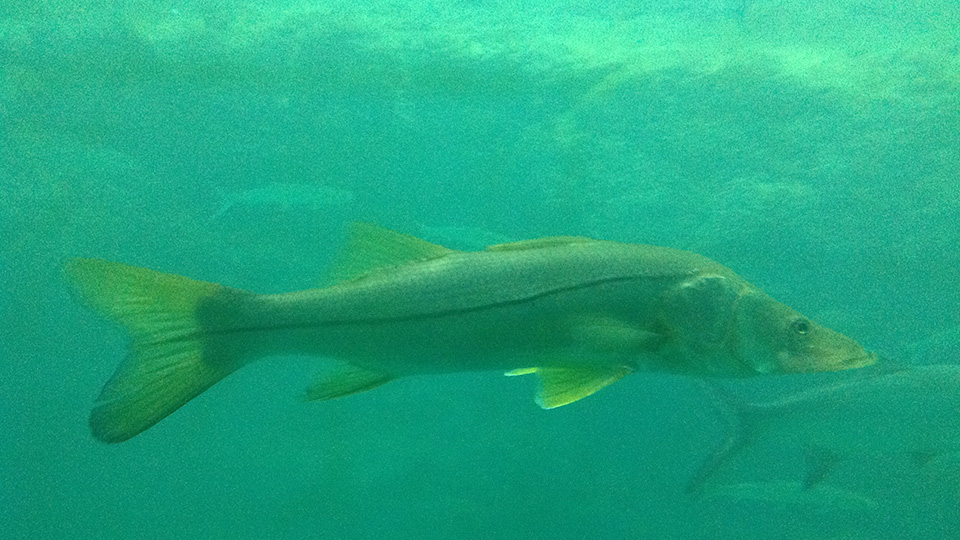
Here we are again. July—the month where by noon we can hardly draw a breath here on the coast. But that doesn’t seem to bother the snook and speckled trout. They simply seem oblivious to anything above their domain unless it’s something to eat on the surface.
There are a couple of different ways we like to go after the common snook, although there is nothing common about the fight these fish give. By now most of these tackle busters are spawning or wanting to. The passes and beaches here on the west coast of Florida will be teeming with linesiders that are willing to take any offerings. This pattern is good throughout the snook’s range, which covers the Gulf and sometimes all the way around to North Carolina.
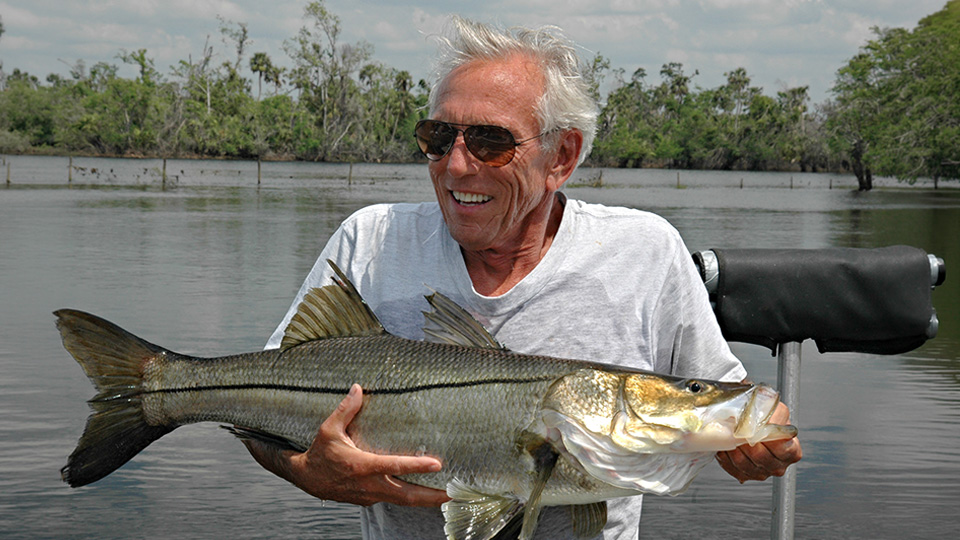
We particularly like the passes on an outgoing tide using medium to medium-heavy spinning or baitcasting gear. We’ve spooled 12- to 15-pound test fluorocarbon line with 20- to 25-pound-test fluorocarbon leader that measures about 2 feet long.
Snook feed on sardines, pilchards and other small baitfish making the Berkley Gulp! Ripple Mullet an ideal bait to rig on a ½-ounce jig head. Pearl white is our favorite color. We cast up tide and slow reel this offering along the bottom. They hit with a thump and run hard. Extra leaders and bait are mandatory, as we often lose the battle.
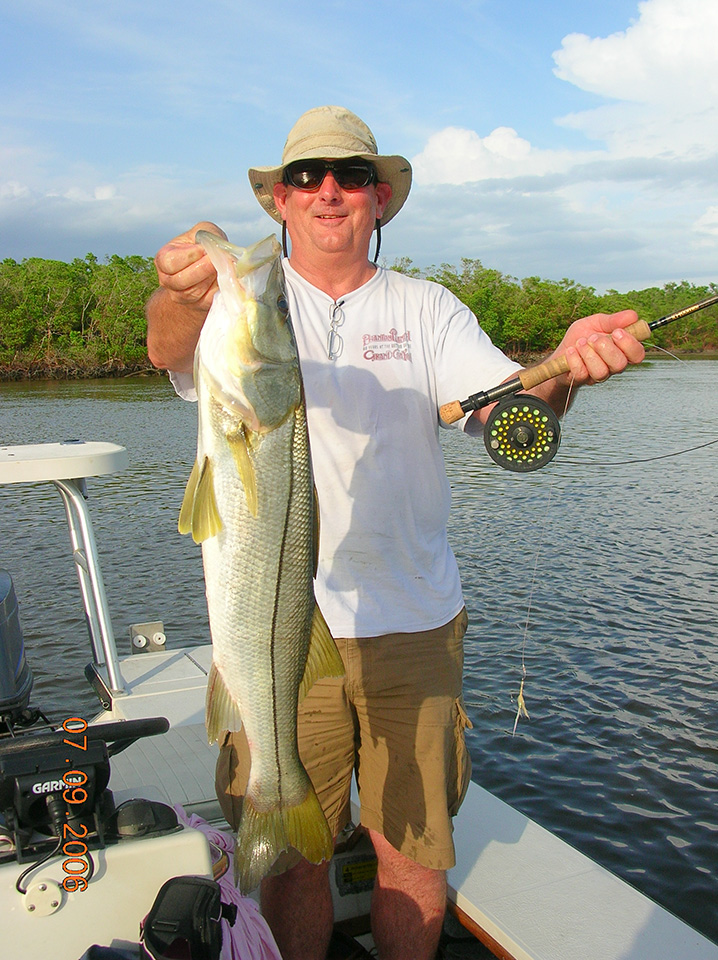
Another tactic we enjoy is to fish from the beach at daylight. Snook are roaming the surf from the shoreline to about five feet out. We blind cast parallel to the shore but are always keeping our eyes open to spot cruisers in knee-deep water. We use the same gear as when fishing the passes except for lighter jigheads.
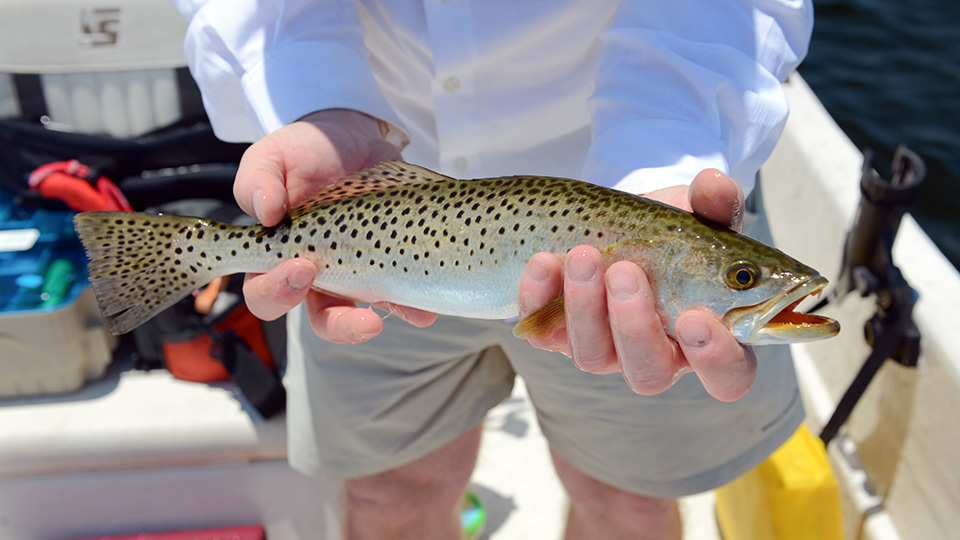
The snook move out once the sun gets up, so we grab light-action spinning gear, popping corks and some Gulp! swimming mullets and Gulp! 3-inch shrimp. The deeper Intracoastal channels have intersections where the main channels go into the flats. We Powerpole down in shallow water and cast into the edges of the deeper channels targeting speckled trout roaming the edges between grass flats and deep channels. Under our popping cork is about 3 feet of line with a 1/8- to ¼-ounce jighead and a swimming mullet or shrimp. By casting very close to these edges, we can entice a strike by popping or working the popping cork back to the boat. We alter the rhythm and speed of the retrieve until we find the magic combination. The fish tell us how they want to be fed, so we’re constantly changing and experimenting with different tactics.
A final note on the status of the snook fishery: The 2010 cold event was extremely hard on the snook population. The 2015 stock assessment of the Florida common snook by the Florida Fish and Wildlife Research Institute reports that snook are well on their way to recovery. The data shows remarkable rebounding by both the Gulf and Atlantic populations, however the rebuilding effort is still not complete.