


Crustaceans For The Win!
I always say, “Fish are Fickle.” That’s particularly true this time of year with the advent of a passing cold front every three to four days. One day, the fish are active, and the next day, they are lethargic.
After a cold front, even when I take the time to catch scaled sardines before picking up my charter, the fish barely respond to them. Fortunately, I stopped on my way to the boat ramp and bought some live shrimp as a backup. Having those shrimp aboard usually saves the day, so I suggest that you have a backup plan this time of year, too.
Another thing to consider is that baitfish leave the grass flats once the water temperature drops to the mid-60s. This forces you to look for bait in deeper water. This can be a challenge right after a cold front, and the wind is howling out of the north or northwest.
At times like these, turning to crustaceans such as shrimp or fiddler crabs can make all the difference in the world. These hardy baits are appealing to game fish even when bait fish become scarce, dramatically increasing your chances of a successful catch.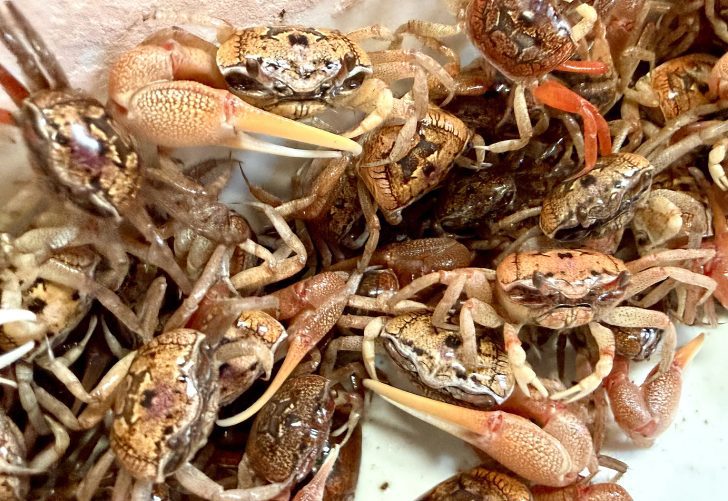
Shrimp are known as the “Sara Lee” of baits. “Nobody doesn’t like a Sara Lee.” Snook, redfish, seatrout, sheepshead, and more love them. I could go on and on, but you get the picture. Not to sound like “Bubba” from the movie Forrest Gump, but you can catch fish with live shrimp, dead shrimp, frozen shrimp, or pieces of shrimp. “That’s, that’s about it!”
Additionally, crustaceans like shrimp are not only versatile but also resilient in colder water conditions, which makes them a reliable choice when other baits fail. Their natural scent and movement attract a wide variety of species, ensuring that anglers have a dependable option throughout fluctuating water temperatures.
If you like to fish with artificials or flies, shrimp imitations are the perfect cold-weather bait. When making a presentation, the key to success is to work the fake bait slowly. I always remind people, “If you think you’re working it slow enough, slow it down even more.” Also, remember the fish you’re after are most likely in deep water, so let the bait sink before working it back to the boat. For you fly anglers, it’s best to use a sinking tip fly line to help keep the bait down in the water column.
Although the sheepshead spawn doesn’t occur until late winter to early spring, primarily from February through April, they’re becoming more active. Cold water temperatures really turn sheepshead on, and they start to school up. As we move into the latter part of January, you’ll encounter more schools and larger specimens.
Keep an eye out for rocky structures, bridge pilings, and docks where sheepshead tend to congregate during these colder months. Using shrimp or fiddler crabs around these areas can yield impressive results, especially as the fish grow more aggressive in anticipation of the spawning season. Patience and persistence are key, as sheepshead can be notorious bait stealers, but the payoff is well worth the effort.
As for terminal tackle, the lighter the better. When fishing during colder periods, it’s also beneficial to downsize. Due to the lack of rain, the water clarity in most of Tampa Bay is excellent right now. For that reason, I’ll drop down to 20lb. fluorocarbon leader and a 1/0 hook, especially when targeting sheepshead.
Lighter lines and smaller hooks can help present crustacean baits more naturally, leading to more strikes from wary fish. Adjust your approach based on water clarity and current conditions for the best results. When fishing structure where additional weight is needed, I’ll add just enough split shot to get the shrimp or fiddler crab down to the fish.
Catching fiddler crabs during a low tide around the mangroves on the St. Petersburg side of the Gandy Bridge used to be a relatively easy task, but not any longer. It could be due to poor water quality or loss of habitat, but I’m not a marine biologist. The simplest way to obtain fiddler crabs nowadays is to buy them.
The last time I purchased shrimp at Gandy Bait and Tackle, they had just received an order of five thousand fiddler crabs. When I asked about where they came from, I was told Taylor County up in the Panhandle. More shipments should be arriving regularly throughout the winter.
Most local bait shops typically carry fiddler crabs, but it’s wise to call ahead to check on availability. When storing live fiddler crabs, keeping them cool and moist by using a damp towel or seaweed can help maintain their fresh condition until you’re ready to fish. Making these small preparations ensures that your bait remains lively and attractive to sheepshead and other species.
Afishionado, “Adventures in Fishing.”