
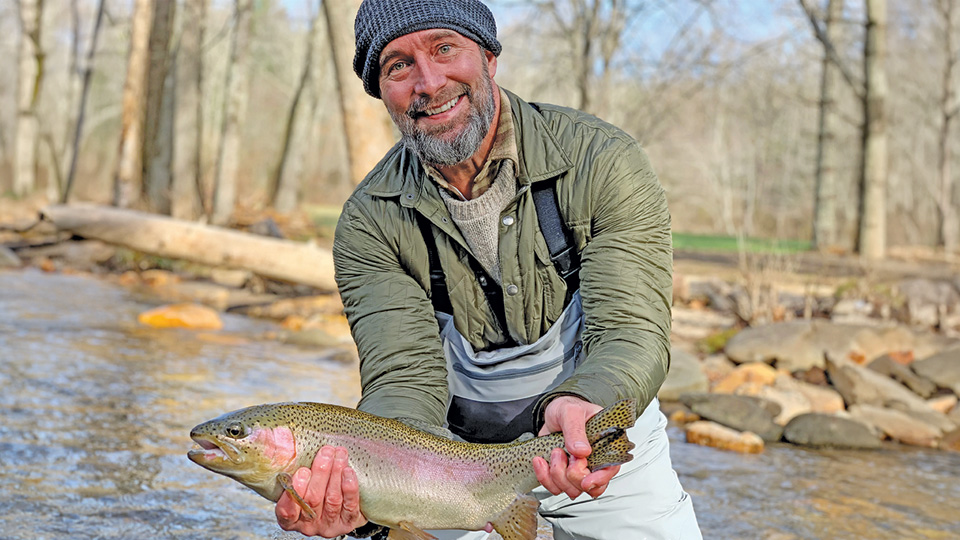
A large trout rising to a high-riding dry fly is one of life’s true pleasures. It’s pretty darn easy to see. The fly is bouncing happily along the surface, and with a splash it’s gone.
On the other hand, that same fat rainbow trout sucking in a nymph 6 feet down in a dark run may not be as obvious. When you’re nymphing, speed is of the essence. In a second, that fish will expel the fly. There are a bunch of different strike indicators designed to help you see the sometimes-faint signal of a hit. Some work well, some break, some slide, and some just suck.
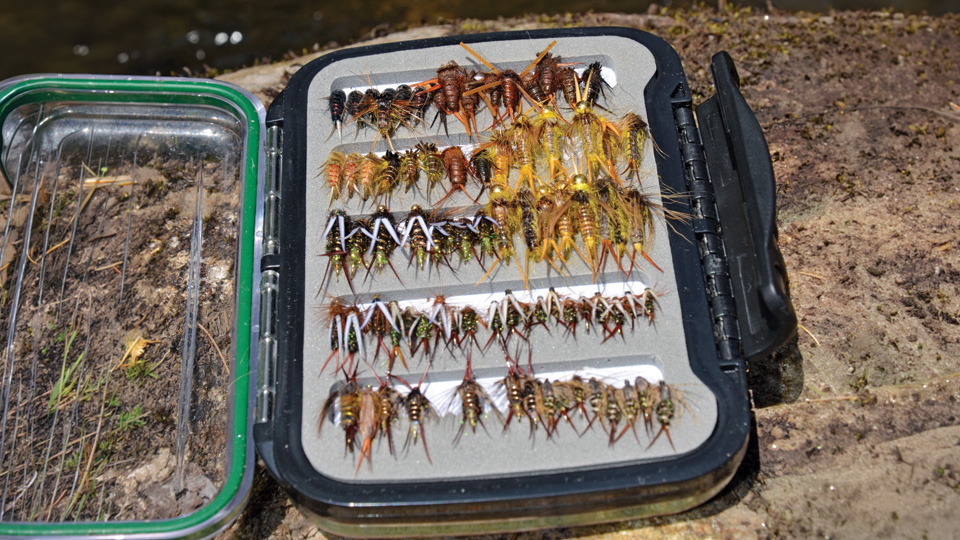
I love yarn indicators for their sensitivity and the plastic air-filled bobbers for ease of use. Both styles rigged up the leader about twice the depth of the water you’re fishing help you detect the strike. Any hesitation, dive or shift in direction of your indicator might be a hit.
I tell clients, if they think a fish might even be breathing on the fly to set the hook! You get a heck of a lot more strikes than you think you do when nymph fishing. Any slack between your indicator and fly allows a fish eat and spit your nymph out, and sometimes go completely undetected.
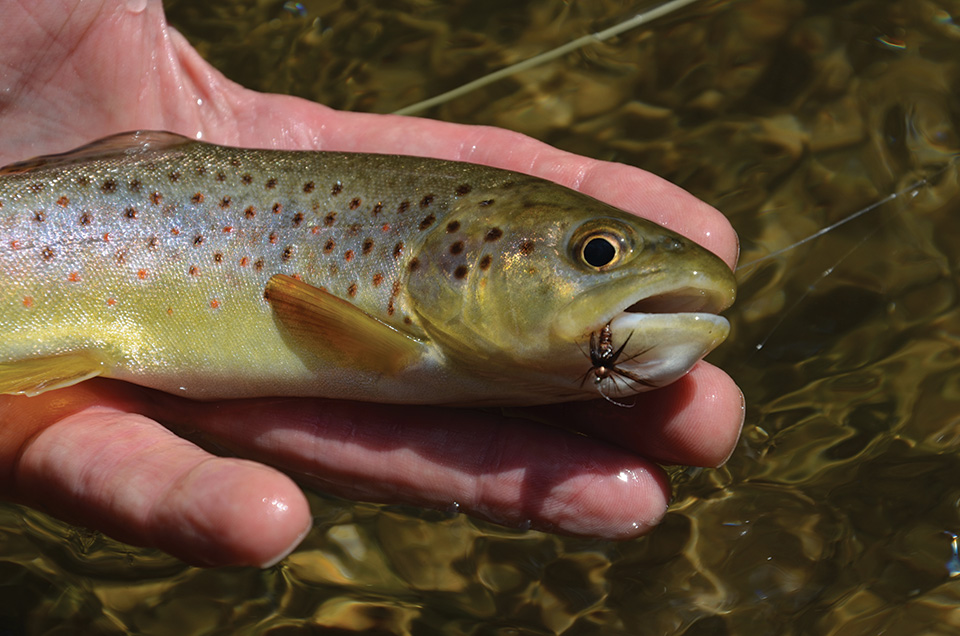
At close range, high-stick or Czech-nymphing techniques work great. No indicator is needed, as different colored lines or coiled-line indicators that straighten when a fish takes are the deal. A lot of the time, the trout is felt when it takes the fly, or you will see the line suddenly stop. This method is deadly in experienced hands.
Another method of strike indication is the use of a big dry fly as the indicator. Usually, a piece of fluorocarbon tippet is tied to the hook and a nymph or two hang underneath. This is a good when the fish might spook if a plastic bobber crashes on their heads. A buggy looking dry fly is a lot less scary.
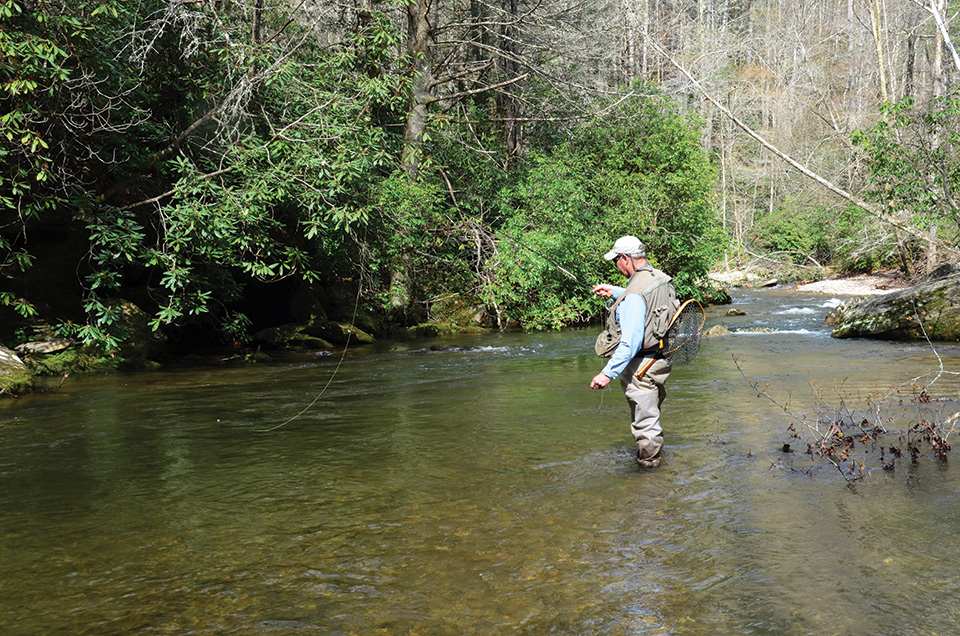
Another cool way to catch trout on subsurface flies is to watch them eat it. I call this ninja fishing! You’ll need the sun at your back or directly overhead. Start by locating a particular fish, and then tie on a brightly colored fly that stands out and is easy to see. Cast upstream of the fish, and let it drift down to the fish. Sometimes a fly bounced right into their face will get a reflex strike. This is a good way to learn how fish react to flies and how currents affect your offering. If you are in a pool with several fish, you might be amazed at how many fish take a swipe at it. You will then realize how many strikes you’ve been missing.
David Hulsey is a North Georgia-based guide and fly fishing instructor. Call him at (770) 639-4001 and visit Hulsey Fly Fishing at hulseyflyfishing.com.