What Is Ciguatera?
Ciguatera is a type of food poisoning caused by eating reef fish that have accumulated toxins from microscopic algae found in tropical and subtropical waters. The toxin isn’t destroyed by cooking, freezing, or smoking.
How You Get It
Small reef fish eat the algae, and larger predator fish eat them—allowing the toxin to build up in the food chain. People get ciguatera by eating contaminated fish.
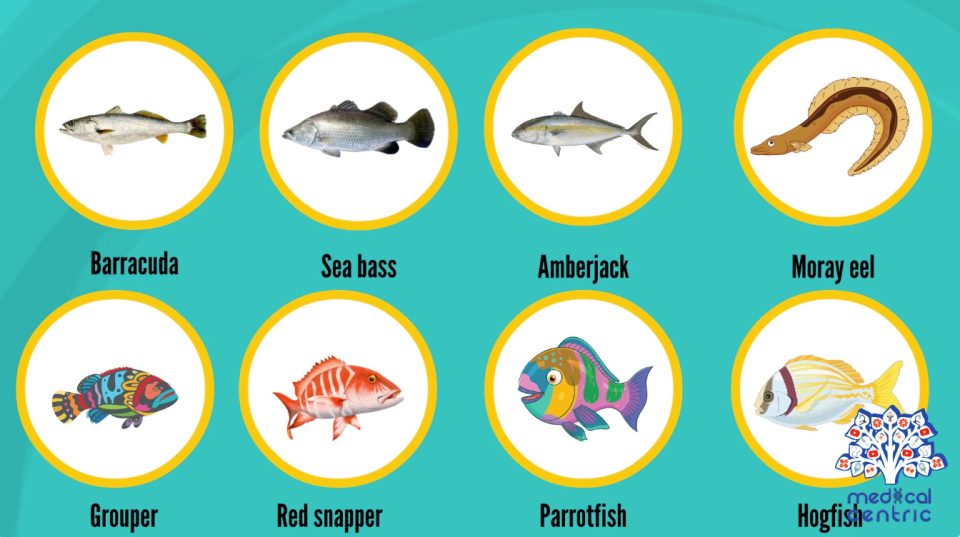
Common Fish Linked to Ciguatera
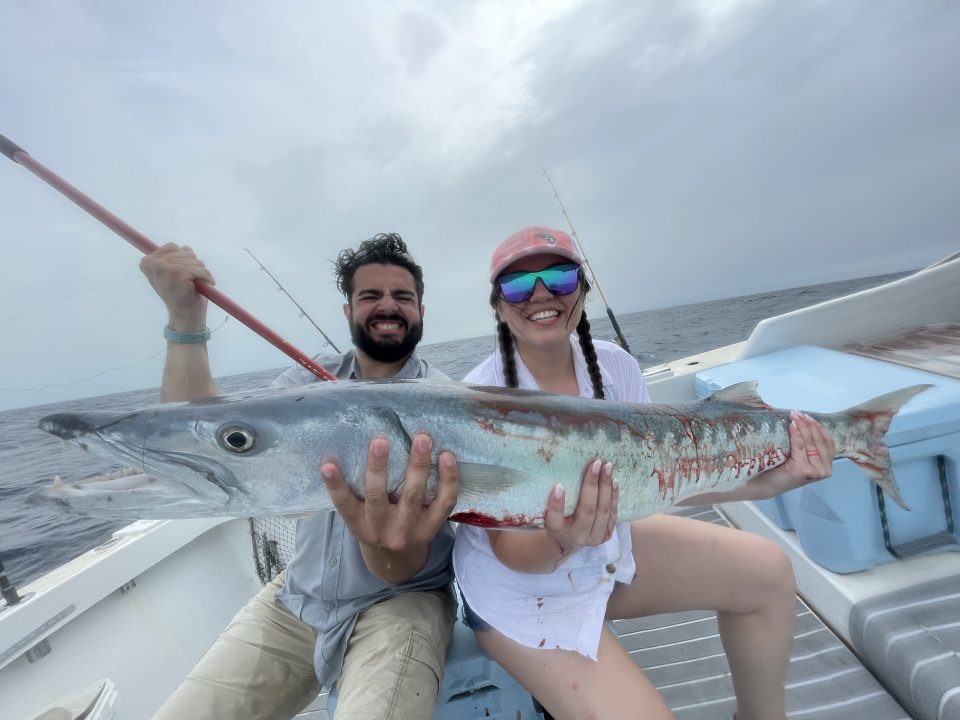
Grouper, snapper, barracuda, amberjack, hogfish, and some reef-dwelling jacks are most often associated with ciguatera, especially larger, older fish.
Symptoms
Symptoms can include nausea, vomiting, diarrhea, tingling or numbness, and a unique sensation where hot and cold feel reversed. Effects can last days to weeks.
Bottom Line
Ciguatera is rare but serious, and the best prevention is avoiding large reef fish from high-risk areas.
High-Risk Areas Include:
- Caribbean Sea (including Florida Keys, Bahamas, Puerto Rico)
- Gulf of Mexico
- South Pacific Islands (Hawaii, Fiji, Tahiti)
- Indian Ocean
- Southeast Asia
- Parts of Central America and northern South America
Higher risk within those areas:
- Reef systems
- Shallow, warm coastal waters
- Locations after reef disturbance (storms, coral damage, dredging)
- Larger, older reef predators caught locally
Lower risk:
- Cold-water fisheries
- Open-ocean pelagic species like tuna, mahi, and swordfish