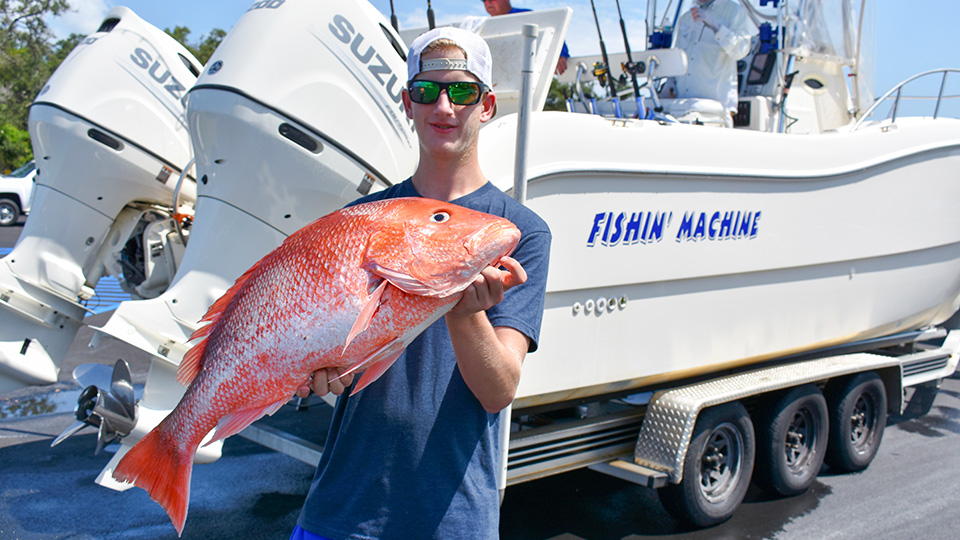
Three Southeast states are pushing for a new approach to recreational red snapper management that could give state agencies a larger role in determining how the popular fishery is monitored and managed.
The future of recreational red snapper fishing in the South Atlantic could look considerably different if Florida, Georgia and South Carolina succeed in their latest efforts to test state-led management strategies.
NOAA Fisheries is currently seeking public comment on three applications for Exempted Fishing Permits, or EFPs, submitted by the three states. The proposed projects are designed to test new methods of collecting recreational fishing data while exploring management approaches that could eventually give individual states more control over their recreational red snapper fisheries.
The applications were submitted to NOAA Fisheries on July 10, 2026, by the Florida Fish and Wildlife Conservation Commission, Georgia Department of Natural Resources and South Carolina Department of Natural Resources.
A Different Approach to Red Snapper Management
Red snapper has long been one of the most controversial recreational fisheries in the South Atlantic. Federal managers have historically relied on regional data and federal regulations to establish seasons and harvest limits, while anglers and state fisheries agencies have argued that state-specific information could provide a more accurate picture of recreational fishing activity.
The new EFP applications are intended to test that idea.
Under the proposed projects, participating anglers would collect additional information about their fishing trips, catches and released fish. The states would then use that information to evaluate whether state-based data collection can provide fisheries managers with better information than existing methods alone.
The goal isn’t simply to create longer red snapper seasons. Better data could ultimately help managers determine how many fish are being caught, how many are released, how much fishing effort is occurring and how much mortality is associated with released fish.
Florida, Georgia and South Carolina Take Different Approaches
Each state is testing its own strategy.
Florida’s program incorporates the state’s State Reef Fish Survey along with a voluntary smartphone application designed to collect information about recreational fishing effort, harvest and released red snapper. Florida’s approved 2026 EFP provides for specific fishing dates, including additional opportunities later in the year.
South Carolina’s program is also testing an electronic data collection system while allowing an extended recreational red snapper season. Its EFP covers fishing from July 1 through August 31, 2026, with trips required to begin and end at a South Carolina landing location.
Georgia’s proposed approach places a particularly strong emphasis on electronic reporting. The state’s application calls for participating anglers to report their catches through a state data collection system. Georgia proposed a longer fishing period that aligns with the federal Marine Recreational Information Program’s two-month sampling wave, allowing the state to compare its data with the existing federal survey system.
Why Better Data Matters
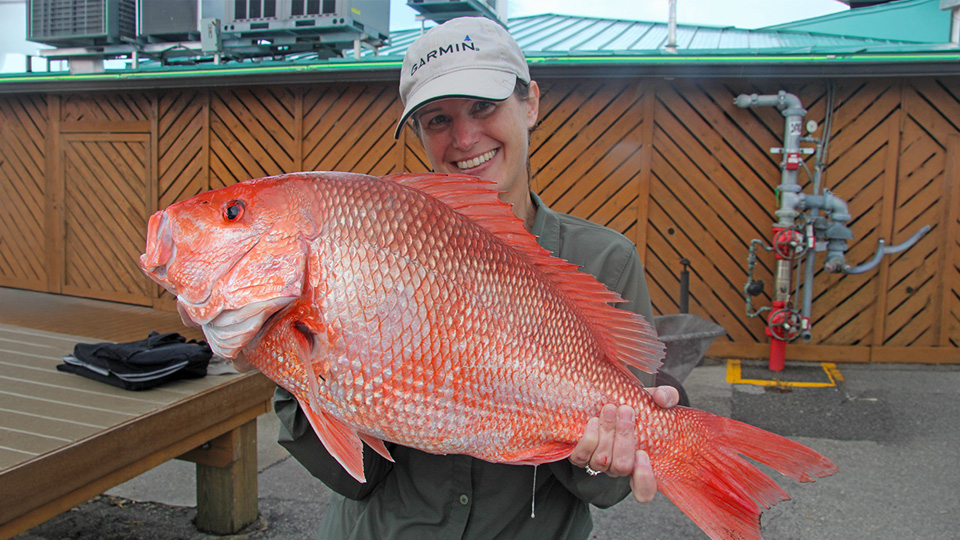
One of the biggest challenges facing South Atlantic red snapper management is determining exactly how many fish are being caught and released by recreational anglers.
Red snapper are particularly vulnerable to barotrauma when caught in deeper water. Fish released at the surface can suffer serious injuries from the rapid change in pressure, meaning that simply counting fish that anglers keep does not tell the entire story.
The state-led programs are designed to improve information about both harvest and discards, giving fisheries managers a more complete picture of recreational fishing mortality.
The data collected through these projects, along with the ongoing South Atlantic red snapper stock assessment, could help determine whether state-led management should become a larger part of the fishery’s future.
What Happens Next?
NOAA Fisheries opened the public comment period on August 10. Comments on the three applications are being accepted through August 25, 2026.
The current effort represents another step in a broader debate over how South Atlantic red snapper should be managed. For recreational anglers, the potential payoff is significant: a management system based on more detailed state-level information could eventually provide fisheries managers with greater flexibility when determining seasons and regulations.
For now, however, the three EFP applications are pilot projects. Their results will need to be evaluated before any permanent changes to the federal management system are made.
With red snapper remaining one of the most sought-after offshore species along the Southeast coast, anglers from Florida to the Carolinas will be watching closely to see whether these state-led experiments can produce the better data and management flexibility that recreational fishermen have been seeking for years.
Source: NOAA Fisheries; Florida Fish and Wildlife Conservation Commission; Georgia Department of Natural Resources; South Carolina Department of Natural Resources.