By CAM Staff. Photos Courtesy FWC
Florida anglers are spoiled for choice. From the Gulf of Mexico to the Atlantic Ocean, the Sunshine State offers some of the most diverse saltwater fishing in the country. But head from one side of the peninsula to the other and you’ll quickly discover that offshore fishing can be a completely different game.
Florida is surrounded by productive saltwater, but the two coasts have very different personalities. The Gulf of Mexico and Atlantic Ocean create different combinations of depth, current, bottom structure, water temperature and bait—and those differences influence everything from the species anglers target to the techniques they use.
So which coast has better offshore fishing?
The answer depends largely on what you want to catch.
The Gulf of Mexico: Structure, Reefs and Bottom Fish
On Florida’s west coast, anglers have access to an enormous expanse of the Gulf of Mexico. From the Panhandle down through Tampa Bay, Sarasota, Fort Myers and Naples, the fishery is heavily influenced by the broad continental shelf and the abundance of hard-bottom habitat, reefs and artificial structure.
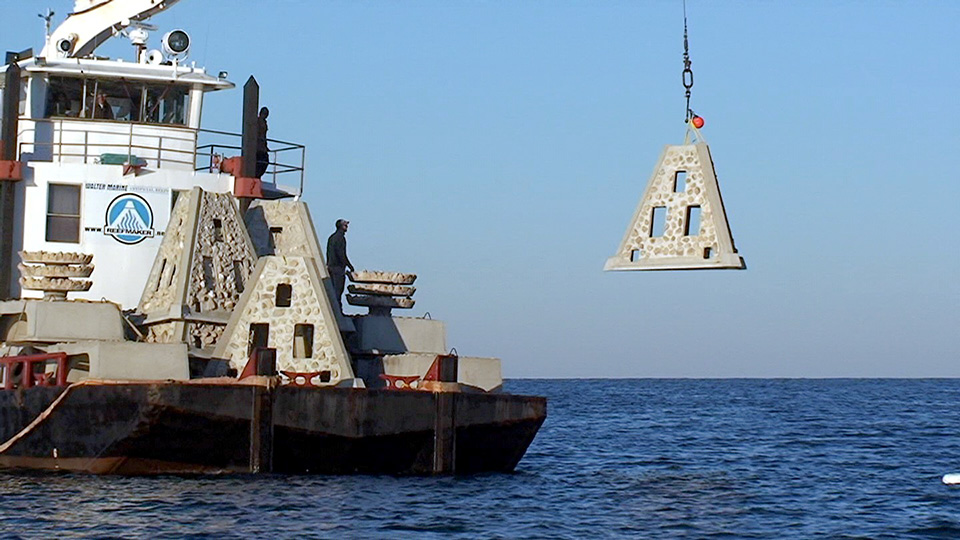
For many Gulf anglers, offshore fishing means putting a boat over structure and dropping a bait.
Grouper and snapper are two of the biggest attractions. Red snapper, red grouper, gag grouper, vermilion snapper and other reef species are important components of the Gulf fishery. NOAA notes that red snapper are commonly associated with hard structure such as reefs, rocks, ledges and artificial reefs.
That structure-oriented fishing creates a very different experience from what many anglers encounter on Florida’s Atlantic coast.
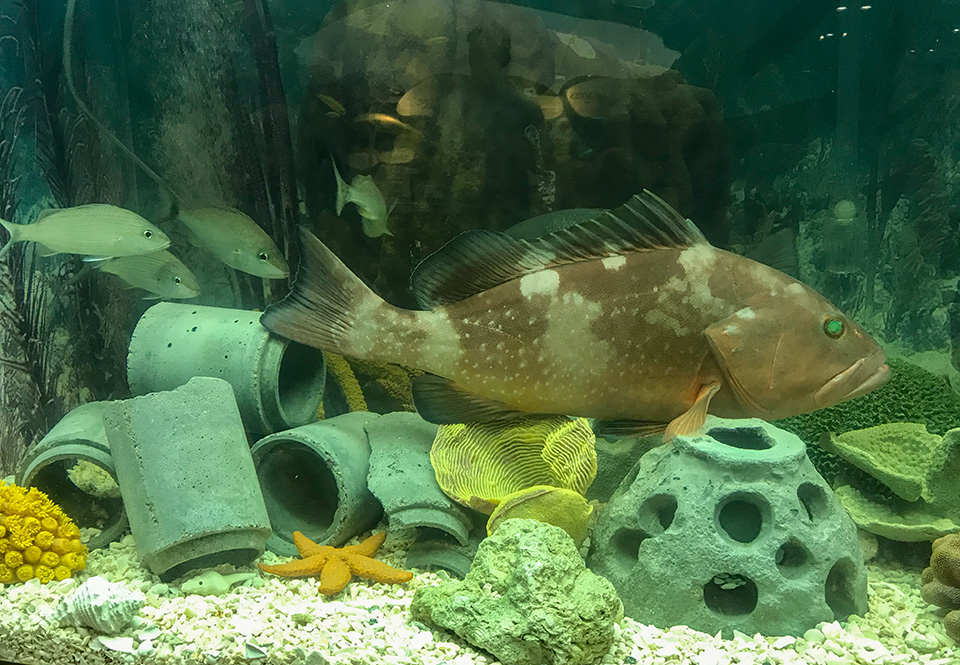
The Gulf is also famous for its artificial reefs. These structures provide habitat for a wide variety of reef fish and give anglers specific locations to target rather than simply searching an enormous expanse of open water.
And while pelagic fishing certainly exists in the Gulf, much of the traditional offshore experience revolves around finding productive bottom and figuring out what is holding fish.
The Atlantic: Current, Depth and Bluewater
Cross the peninsula and the offshore game changes.
Florida’s east coast has one major advantage that shapes its offshore fishery: the Gulf Stream.
The Gulf Stream carries warm water north along the Atlantic coast, creating a powerful current and bringing tropical water close enough to Florida’s coast to dramatically influence the offshore ecosystem.
That moving water is one of the reasons the Atlantic coast is so well known for pelagic fishing.
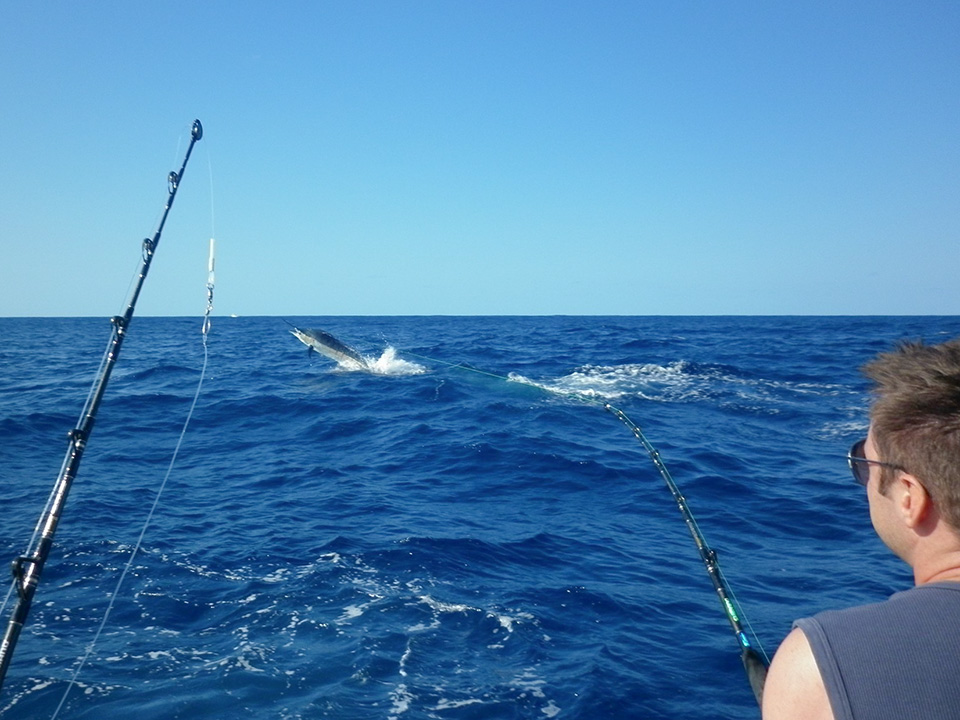
Mahi-mahi, wahoo, sailfish, tuna and other highly mobile predators can be found around temperature changes, weed lines, current edges, floating debris and other areas where bait concentrates.
For an angler who enjoys trolling or hunting bluewater predators, the east coast can be tough to beat.
Depth Is Another Major Difference
One of the most noticeable differences for anglers is how quickly the bottom changes as you head offshore.
The Gulf of Mexico has a broad continental shelf in many areas. That means an angler can travel a considerable distance offshore while remaining in relatively moderate depths.
On Florida’s Atlantic coast, the continental shelf and associated offshore habitat create opportunities for anglers to transition into deeper water relatively quickly.
Off the Space Coast, for example, NOAA documents productive snapper-grouper habitat ranging from roughly 54–90 feet on live-bottom areas to 180–360 feet around shelf-edge habitat, with some lower-shelf areas extending considerably deeper.
That combination of depth and current creates a fascinating offshore environment.
An east-coast angler might leave the inlet looking for bottom fish, switch to trolling as conditions dictate, and eventually find himself looking for signs of pelagic activity in blue water.
The Space Coast Is a Great Example
Florida’s Space Coast illustrates the differences particularly well.
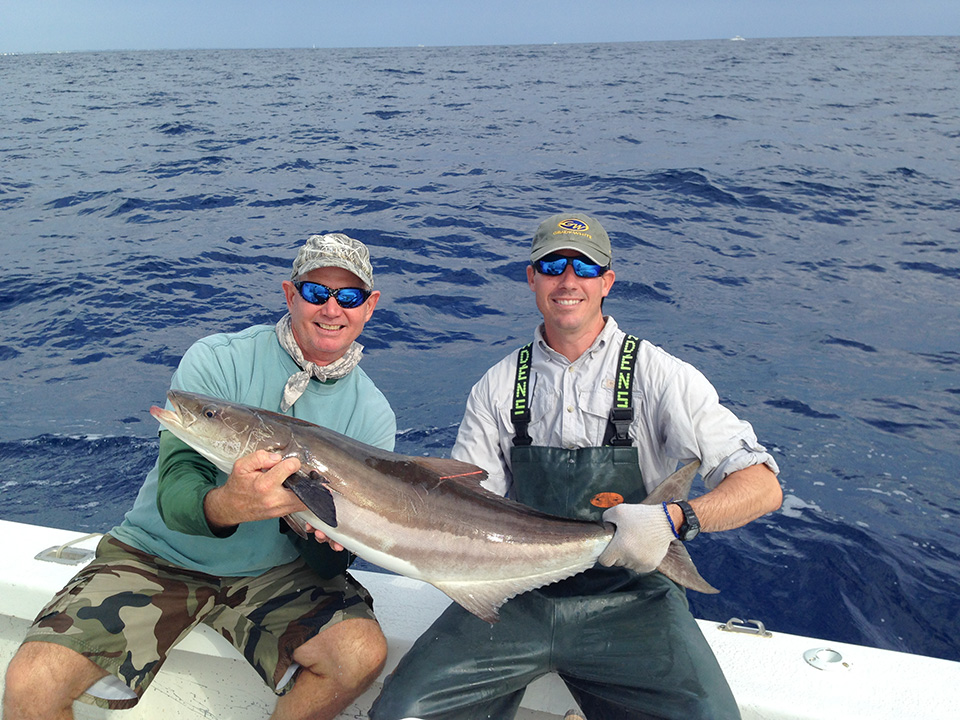
From Cocoa Beach and Cape Canaveral south toward Melbourne and Sebastian, anglers have access to a diverse Atlantic fishery. The area provides opportunities for bottom fishing, trolling and bluewater fishing, with the Gulf Stream playing an important role in the offshore environment.
Cocoa Beach is particularly interesting because anglers can access both nearshore and offshore fisheries from the same stretch of coastline. Current fishing resources identify species including sailfish, tuna and grouper among the offshore opportunities in the area.
For an angler accustomed to the Gulf Coast, the Atlantic can feel like an entirely different fishery.
Instead of simply asking, “Where is the structure?” an Atlantic angler may also be asking:
Where is the current?
Where is the bait?
Where is the clean blue water?
Where is the temperature break?
Those questions can be just as important as finding the bottom.
Bottom Fishing: Advantage Depends on the Target
This is where declaring one coast the winner becomes difficult.
Both coasts have excellent bottom fishing, but the habitat and species mix can differ.
Gulf anglers have built a legendary reputation around grouper and snapper fishing. The west coast’s extensive reef and hard-bottom areas provide plenty of habitat for reef fish.
The Atlantic also has an impressive snapper-grouper fishery. In fact, NOAA identifies live-bottom and shelf-edge habitats along the South Atlantic as important snapper-grouper habitat.
The difference is often less about whether you can catch reef fish and more about how you go about catching them.
On the Gulf, anglers may spend the day working a series of known reefs, ledges and hard-bottom areas.
On the Atlantic, anglers may combine bottom fishing with current, depth and water-column considerations.
Pelagic Fishing: The Atlantic Has an Edge
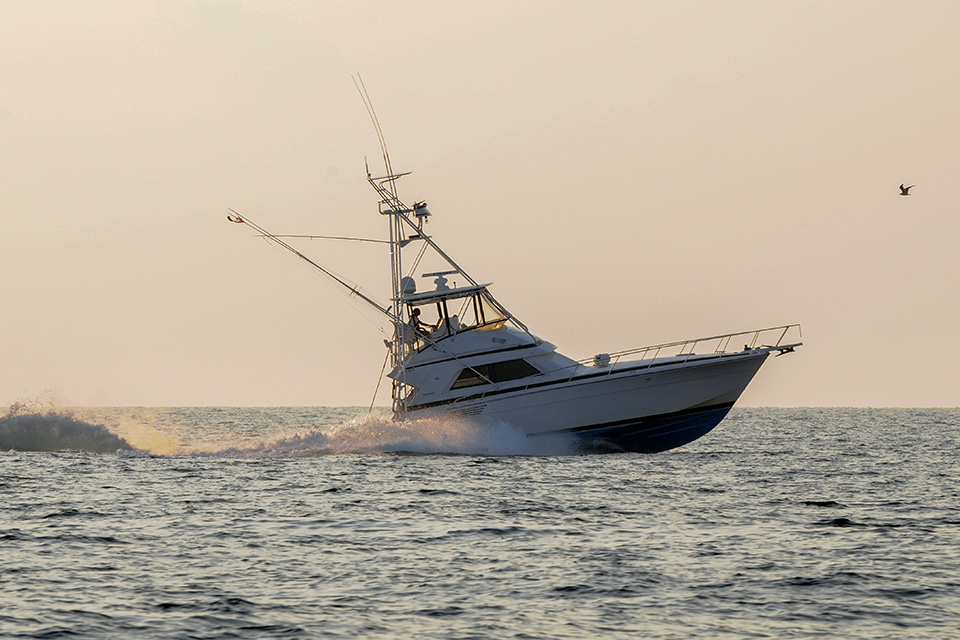
If your idea of the perfect offshore day involves a spread of trolling baits and the possibility of a wahoo, sailfish or mahi-mahi crashing the spread, Florida’s east coast has a serious advantage.
The Gulf has outstanding pelagic opportunities of its own, but the Atlantic’s relationship with the Gulf Stream makes it a premier destination for highly migratory species.
The Gulf Stream isn’t simply a current on a chart. To an offshore angler, it can be a moving fish-finding tool.
Current edges, temperature changes and floating debris can concentrate bait, which in turn attracts predators.
That means an offshore trip can change dramatically based on what the ocean is doing that particular day.
The Weather Can Change the Equation
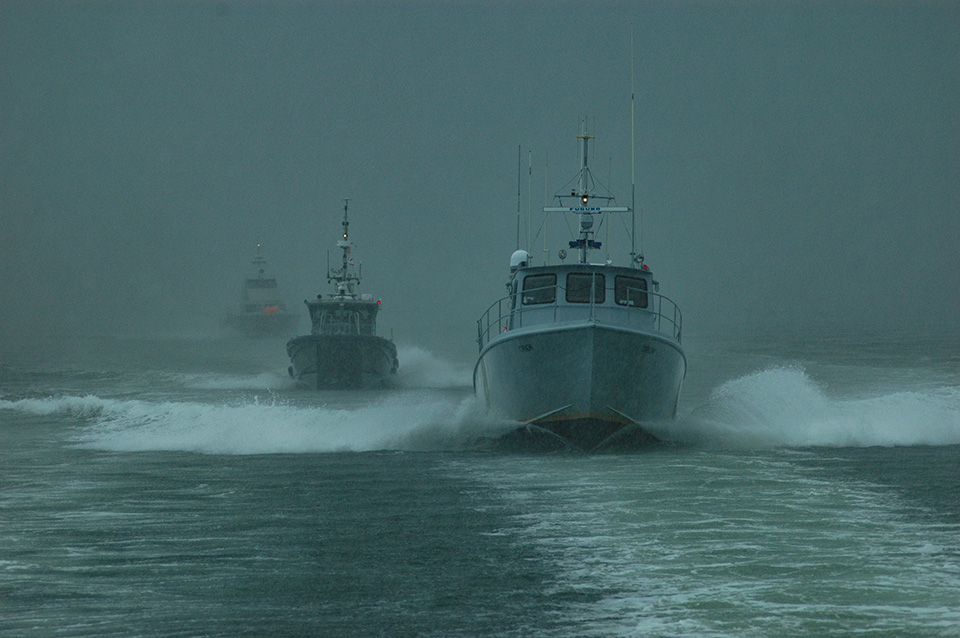
There is another factor that should not be overlooked: weather and sea conditions.
Neither coast is automatically easier or safer to fish.
Wind direction can make one side of the peninsula substantially more comfortable on a particular day. A forecast that produces manageable conditions on the Gulf can create difficult seas on the Atlantic, and the reverse can also happen.
For recreational anglers, that can sometimes make the “better” coast simply the one with the better weather window.
The best offshore anglers aren’t married to a single technique or species. They watch the forecast, study the conditions and adjust their plan.
So, Which Florida Coast Is Better?
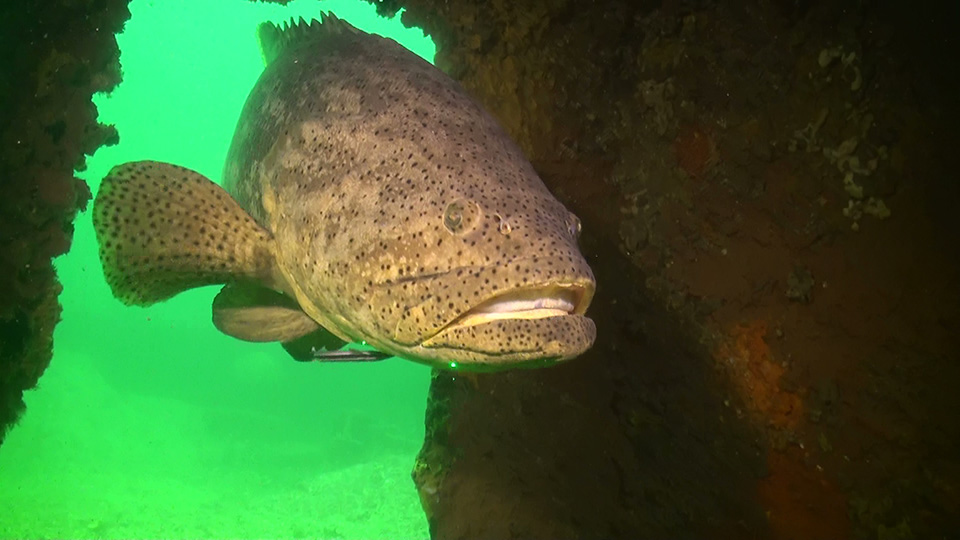
If you’re primarily interested in grouper, snapper and structure-oriented bottom fishing, the Gulf Coast deserves serious consideration.
If you’re chasing mahi-mahi, wahoo, sailfish, tuna and other pelagic species, the Atlantic’s combination of current, bluewater and proximity to the Gulf Stream is hard to beat.
But perhaps the biggest advantage Florida offers is that anglers don’t have to choose forever.
The two fisheries are separated by a relatively narrow peninsula, yet they offer remarkably different offshore experiences.
A Gulf Coast angler can spend a day hovering over a reef in search of a grouper.
An Atlantic angler can spend that same day watching the temperature gauge, looking for a current edge and waiting for a wahoo or sailfish to appear in the spread.
Neither experience is necessarily better.
They’re simply different games played in two very different oceans.
And that’s what makes fishing Florida so special.
East Coast or West Coast?
For reef fish and structure: West Coast
For bluewater pelagics: East Coast
For grouper: West Coast has the reputation, but both offer excellent opportunities
For sailfish: East Coast
For wahoo: East Coast
For mahi-mahi: Both
For red snapper: Both
For current-driven bluewater fishing: East Coast
For exploring reefs and bottom structure: West Coast
Ultimately, the best coast is the one that puts you on the fish you want to catch—and gives you a reason to come back to the dock with another story to tell.