
By: Capt. Joel Brandenburg
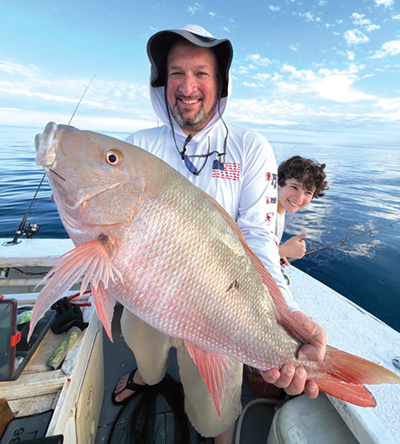
Catching mutton snapper in the Florida Keys is a rewarding experience for anglers, as these colorful and hard-fighting fish are prized for both their sport and table quality. Mastering the techniques to consistently land them requires understanding their behavior, preferred habitats, and seasonal patterns.
Mutton snapper are commonly found around reefs, wrecks, and sandy-bottom areas with scattered structure. They are most abundant in waters from 30 to 120 feet deep, though larger specimens are often caught on deeper offshore reefs or along the edges of channels. The best time to target them is during their spawning season in late spring and early summer, especially around the full moon, when schools of big muttons gather in predictable areas.
One of the most effective techniques for catching mutton snapper is anchoring up-current of a productive reef or wreck and deploying a steady chum slick. While muttons are generally cautious, a lightly scented chum line can draw them in without making them overly aggressive like yellowtail snapper. Free-lining live baits, such as pilchards or small pinfish, is a classic method. Using light fluorocarbon leaders, typically 20-30-pound test, helps avoid spooking these wary fish. Circle hooks are preferred because they increase hook-up ratios and reduce gut-hooking.
Drift fishing is another productive approach, especially over sandy patches near reefs or along channel edges. By drifting live or cut bait just off the bottom, anglers can effectively cover more territory and locate scattered fish. Weight selection is critical, just enough should be used to keep the bait near the bottom without snagging. Mutton snapper often strike with a subtle tap before making a strong run, so maintaining sensitivity and keeping the drag set properly is essential.
Jigging has grown in popularity for targeting mutton snapper, particularly in deeper water. Vertical jigs or slow-pitch jigs tipped with a strip of bait can be irresistible to larger fish. The key is to maintain contact with the bottom and work the jig with a slow, deliberate motion. Many experienced anglers combine jigging with drift fishing to cover more ground and entice bigger, solitary muttons.
Understanding tides and currents is a major factor in success. Mutton snapper feed most actively when the current is moving, as it delivers prey and stirs up the bottom. Slack tides often result in slower bites. Planning trips around favorable tide stages, particularly early morning or late afternoon, can make the difference between a slow day and a productive one.
Boat positioning is equally important. When anchoring, set up so your baits drift naturally into the target zone without excessive weight or unnatural movement. If conditions are calm and clear, long leaders, sometimes up to 30 feet, may be necessary. Patience and stealth are important, as mutton snapper are known for their sharp eyesight and wary nature.
Finally, tackle selection should balance stealth and strength. Medium spinning or conventional outfits spooled with 20- to 30-pound braided line provide excellent sensitivity and the ability to handle larger fish in current. Fluorocarbon leaders and sharp, appropriately sized hooks are essential. Maintaining quiet onboard and minimizing sudden movements can also improve results, especially in shallower waters.
By combining knowledge of seasonal movements, careful presentation of baits, and strategic use of chum and drift methods, anglers can consistently connect with mutton snapper in the Florida Keys. Whether free-lining live bait on a reef edge or drifting a jig over a deep wreck, the challenge and reward of landing these prized fish make the pursuit worthwhile.
— For a charter with Capt. Joel Brandenburg of Ana Banana Fishing Company, visit www.marathonkeysfishingcharters.com or call 813-267-4401 Cell or 305-395-4212 office or visit us in person at Poncho’s fuel dock and Marina located at 1280 Oceanview Ave. Marathon, Florida Keys.