
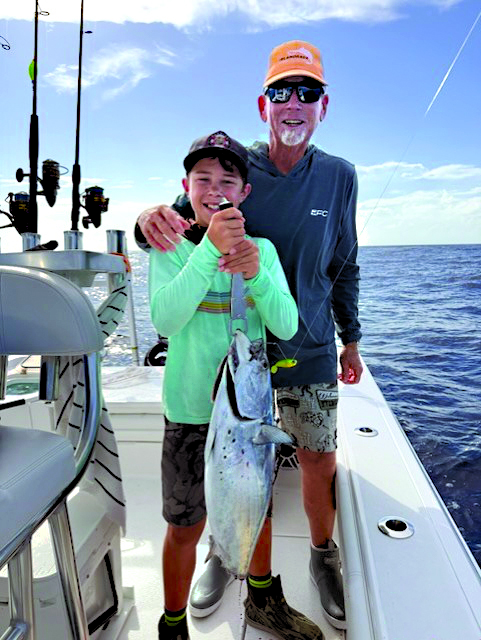
 By: Capt. Greg Poland
There is something about that first real cold front moving through the Florida Keys that changes everything. The humidity finally gives us a break, the mornings feel a little different, and if you are a fisherman, you know what comes next. The bait starts moving, water temperatures begin to fall, and a whole different group of fish starts getting interested in what is happening around them. November is one of my favorite months to fish Islamorada and the Everglades backcountry because you can wake up in the morning with a game plan, but you also need to be ready to change it. One day can be calm and beautiful, and the next a north wind can have you looking for protected water. That is one of the things I love about fishing this area, there is almost always somewhere you can go to find fish.
As the water cools, I start spending more time looking at shorelines, creek mouths, deeper channels and areas where moving water meets structure. Snook are still a big part of the November game, and this is the time of year when I really start paying attention to what the fish are doing after a cold front. My backcountry setup is still pretty simple. I like a medium-action spinning rod with quality braided line and a fluorocarbon leader. Depending on the conditions, I will have a jighead rigged with a soft plastic or live shrimp, or I will put a live bait on a circle hook and let it do the work. One of my favorite ways to figure out what is happening is to fish two presentations at once. I will put a live bait down near a channel edge or deeper water and let that rod work while my clients cast along the shoreline, mangroves or current seams with a jighead. We cover water, learn what depth the fish are using, and hopefully somebody gets a bite while we are figuring things out. The key in November is not to get stuck doing the same thing all day. If the fish are not where you found them last week, move. Look for a different depth, a different tide stage or a different type of shoreline.
If you are using a shrimp on a jighead, keep it moving naturally. You don’t have to rip it off the bottom. Sometimes the best presentation is simply letting that shrimp get down and giving it just enough movement to make it look alive. On a windy day, I look for protected water and areas where the current is moving bait through a channel. Spotted seatrout regulations in the Southwest region, allow recreational harvest year-round, with a 15- to 19-inch slot limit and a three-fish daily bag limit. One fish over 19 inches may be kept per vessel as part of the bag limit. Always check the current regulations before keeping fish because regulations can change.
— Visit Capt. Greg at 305.393.3327 or email gregpoland@icloud.com |
Instagram: gregpoland Facebook: Fishing in the Florida Keys with Capt. Greg Poland