
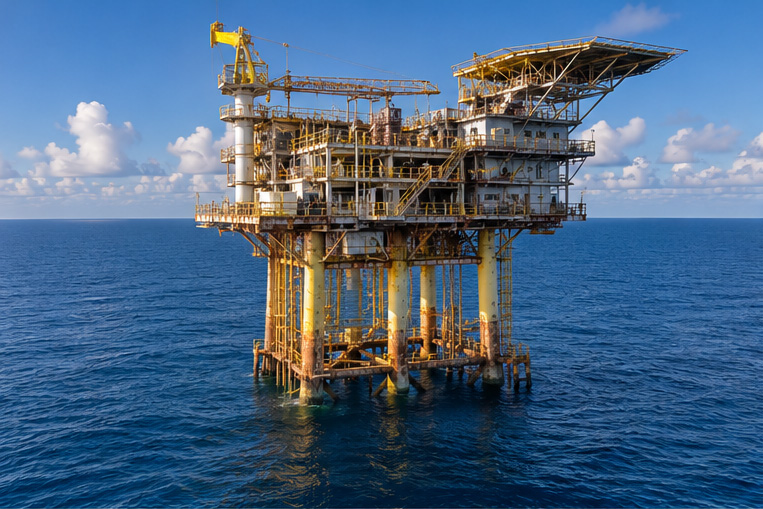
Retired natural gas platform creates new habitat and fishing opportunities in the Gulf
Alabama’s offshore artificial reef system has added two new sites through the state’s Rigs to Reefs program, turning portions of a retired natural gas platform into long-term marine habitat in the Gulf of Mexico.
The project was made possible through a partnership between APA Corporation, the former owner of the Spirit VK 780A platform, and the Alabama Department of Conservation and Natural Resources (ADCNR). As part of the agreement, APA Corporation also contributed $1.5 million to support marine research, monitoring, habitat restoration and management.
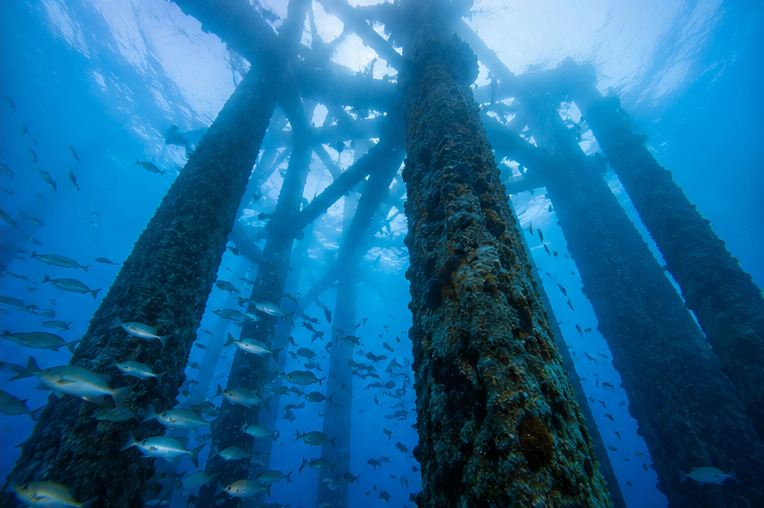
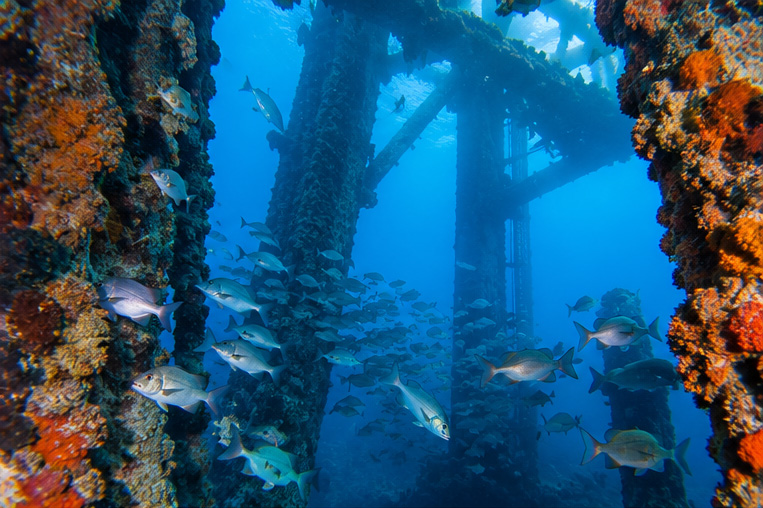
Launched in 2013, Alabama’s Rigs to Reefs program allows decommissioned oil and natural gas structures to be repurposed as artificial reefs rather than being entirely removed from the water. These substantial structures provide habitat for a variety of marine life, including corals, reef fish and other species that attract recreational anglers and divers.
Two New Reef Sites in Deep Water
The Spirit VK 780A platform was originally installed in 1998. During decommissioning, its upper platform was removed and towed ashore, while the remaining support structure was prepared to serve as artificial reef habitat.
The project created two distinct reef sites, each offering a different underwater structure and depth for offshore exploration.
VK 780-T: Upper Platform Structure
The upper portion of the platform, designated VK 780-T on Alabama’s offshore reef map, is a large rectangular structure measuring approximately 85 feet by 77 feet. It rises 107 feet from the seafloor in 206 feet of water.
The site is located within the Tatum Winn South reef zone, approximately 45.4 nautical miles south of Sand Island Lighthouse and 55 nautical miles southwest of the Perdido Pass farewell buoy.
GPS coordinates: 29° 25′ 46.752″ N, 88° 00′ 30.664″ W
VK 780-B: Deepwater Base Structure
The second site, designated VK 780-B, consists of the remaining base of the rig. Located in 722 feet of water, the structure rises approximately 632 feet from the seafloor.
This deepwater site lies approximately 59.6 nautical miles south of Sand Island Lighthouse and 67.6 nautical miles southwest of the Perdido Pass farewell buoy.
GPS coordinates: 29° 14′ 14.973″ N, 88° 06′ 30.173″ W
The remaining legs and well jacket were cut 90 feet below the water’s surface to provide clearance for safe navigation. The designated reef area around the base provides additional separation for vessels operating above the structure.
Long-Term Benefits for Marine Life and Anglers
Artificial reefs provide hard surfaces and complex structures where marine organisms can settle and grow. Over time, these habitats can support corals, sponges, crustaceans, baitfish and larger predatory fish, creating productive areas for marine life in the Gulf.
Decommissioned offshore platforms can offer particularly durable habitat, with reef structures potentially remaining productive for more than 50 years.
Alabama has already seen the long-term benefits of the approach. The state’s Marathon Reef and Swingle Reef, created from retired platforms in 1983, continue to function as productive artificial reefs more than four decades later.
The addition of the two Spirit VK 780A sites builds on Alabama’s extensive artificial reef network, expanding opportunities for offshore fishing, diving and marine habitat conservation.
For anglers planning trips into Alabama’s offshore waters, the new locations offer additional structures to explore. Because the sites are in deep water and far offshore, boaters should carefully consider vessel capabilities, weather conditions, fuel range and appropriate safety equipment before making the run.
Anglers can find additional information, reef maps and site coordinates through the Alabama Department of Conservation and Natural Resources’ Artificial Reefs program.
Source: Alabama Department of Conservation and Natural Resources, Marine Resources Division.