

Ben Franklin coined the phrase “an ounce of prevention is worth a pound of cure.” Most say he was referring to fire safety, but I am convinced he was a boat owner working on a grueling task when it popped into his head. Outside of fire safety and maybe personal health, I can’t think of anywhere else this saying applies more than boat maintenance.
Every February, we channel our best HGTV hosts in an attempt to shine up one boat back into the gem of a newly built vessel. The project normally starts with a reasonable checklist. Minor gelcoat and fiberglass repairs, replacing all the components that have either completely broken or are on the verge, running some new wires in miserable places, and a full detail. Without planning to go beyond this list, we are suddenly cutting holes in the deck, pulling out a motor, or maybe gutting the entire electrical system. No matter what the job, one constant always rings true. If the original work was done with the foresight knowing it would have to be done again, it’s so much easier the next time around. 

Salt, corrosion, water, dendrights (our made-up word for the green which spiders out and through wires when they go bad), all find a way to ruin your plans at the most inopportune time. On our boats, nothing is ever screwed in or fastened without applying a substance that will help us remove it when that time inevitably comes. Depending on what material we are working with, be it grease, anti-seize, even silicones or caulk, it will keep a stainless screw or bolt from becoming one with your boat. Hours of frustration with a cutting wheel and tap can be avoided with just a dab.
Your shift and throttle cables, fire suppression system, and fuel shut-off valves can be pricey and are always miserable to replace. A monthly checklist is a great way to remind yourself to maintain all your moving levers and cables. A quick spray with Yamashield or Corrosion X (our favorite) while engaging them will help prevent sticking or complete seizing. These products are a bit more expensive than WD-40, but worth every penny, in my opinion.
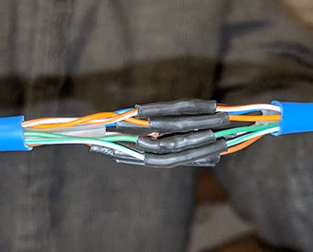
On the electrical side, a proper connection and a generous amount of dielectric grease will pay dividends down the road. When we do wiring, we only use heat-shrink connectors and the proper crimpers to secure the wire to the metal, without cutting the heat shrink. When my staff burns through or cuts the heart shrink, or the crimp just isn’t to my liking, I make them cut it and do it over. No exceptions. Their frustration always reminds me of Chevy Chase in Spies Like Us. When he complains about walking through the scorching desert while carrying all the warm but heavy clothes, he heads along the road to Dushanbe. Dan Ackroyd excitedly tells him that, at some point, he will thank him, given how cold it is up there. I do the same with my crew. Losing your live well pumps on an important charter or having a bilge pump stop working can be catastrophic in different ways. All because a crimp was done half-assed. On top of the worst-case scenario, tracking down electrical issues may be the most tedious job going. With multiple connections running through different compartments, any of which could be the fail point. That’s not how I want to spend my time. We also put a dab of dielectric on the female ends of the wires on our Raymarine MFDs to fill any voids in the plug. Air pockets are just an invitation for corrosion to become a highway. The two Raymarine Axiom Pro 12’s on our dive boat have been on the dash, exposed to the elements, for over five years without any problems.
Doing things the right way takes a little more time and can be frustrating when you are trying to get a project done. Having owned boats and done much of the maintenance for over 30 years, I feel very qualified to speak on this. Take heed of Ben’s advice. I learned the hard way more than once to save you from the same fate.