By C. Boyd Pfeiffer
During summer, freshwater lake fishing quickly breaks down into layers of water levels. It doesn’t happen in moving rivers, but limnologists tell us that lakes separate into a top layer called an epilimnion, a middle blanket of water called the thermocline and the lower hypolimnion. The best level for fish in this layering is the thermocline. That level has cooler water temperatures and maximum oxygen levels that benefit all fish species.
While these layers differ in depth in lakes and ponds, they all require getting deep to get the fish. If fishing bait, this is usually easy. Make a rig with a suitable sinker to get deep, and then make a lobbing cast so as to not throw off the bait. For crappie, target brushpiles or bridges. For catfish, seek spots close to shore where the thermocline meets the bottom where blue cats, channel cats and such like to cruise. Lake trout, striped bass and land-locked salmon usually travel the thermocline layer for food and oxygen.
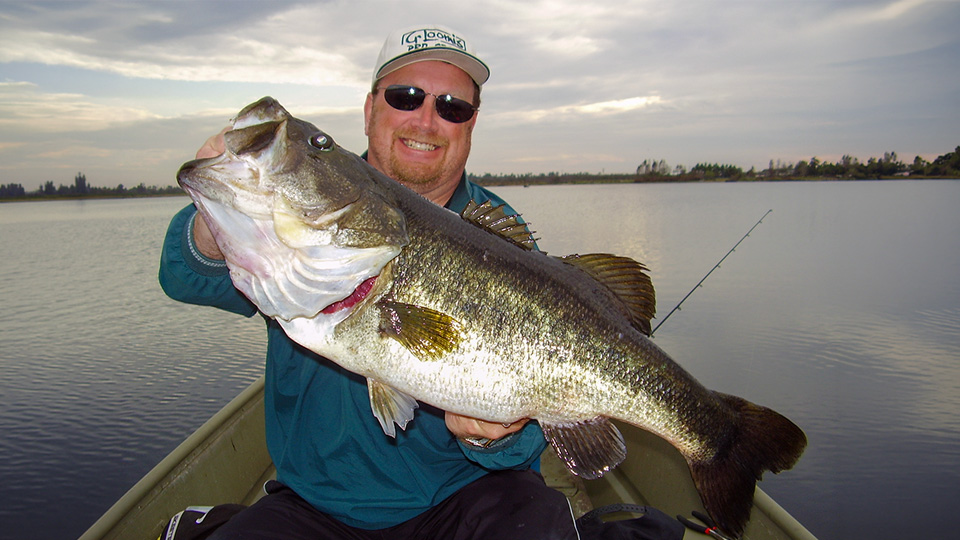
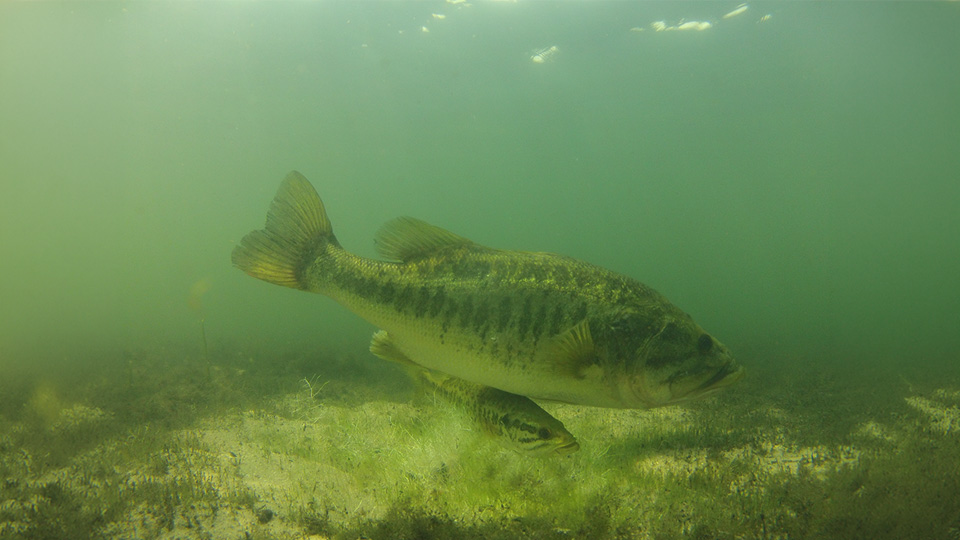
Bass are popular throughout the country and most are caught with lures, using casting or spinning tackle. For lure fishing for bass or any species, get down deep in the summer for the best chance for the most and biggest fish.
There are several things to consider in this deep-water fishing. Choice of lure is important. When using sinking lures such as jigs, bucktails, jigging spoons and weighted soft-plastic lures or worms, match the lure weight to the depth you wish to reach and the current or wind conditions.
For crankbaits and plugs, check the manufacturer’s suggested depth usage for the lure. Those lures with large lips parallel to the lure axis are best for deep fishing and a larger lure, if available, usually dives the deepest. It is also important to use a slow retrieve, or the slowest retrieve possible to catch fish.
Line is also important. Thinner and stronger braided lines or fluorocarbon, which sinks, are the top choices for serious anglers. Thinner lines have less water resistance to help any lure get deep quickly. As you retrieve the lure, the line location and angle also change. A fast retrieve pulls the line through the water at a faster rate, planes the lure up and causes it to run shallower than designed. Slow is best and also allows a fish a good look at a lure and have the time to take it.
Pay attention to the layers of water in your local reservoir this summer to greatly increase your chances at catching fish. No matter the species, fish are more comfortable where there are higher levels of dissolved oxygen and that is in the thermocline. Using your electronics, determine where this layer is and you will have a better day on the water.
C. Boyd Pfeiffer is the author of 28 books on fishing and the outdoors, has written for major newspapers and for dozens of magazines. He is widely known for his expertise in fishing and fishing tackle and has been named as a Legendary Communicator by the National Fresh Water Fishing Hall of Fame. He lives in Phoenix, MD with his wife Brenda.