


Late Fall Fishing
As water temperatures drop, snook begin to move from their usual locations. The recent cooling trend has prompted these fish to relocate, and most have now settled into their late fall habitats. There are preferred locations for snook during this period. Snook can primarily be found in deeper water environments. These include canals, creeks, rivers, and channels where the water tends to be warmer than in shallower areas.
An effective fishing strategy for anglers seeking large snook is to target areas along mangrove edges that are adjacent to deep water drop-offs. When targeting snook in these deeper areas, anglers should use tactics that account for the slower metabolism of the fish due to cooler water. Live bait, such as shrimp or small baitfish, can be especially effective, and working lures slowly along the bottom often yields better results.
Snook change their behavior and feeding patterns during the cooler months. Due to the slower metabolism of all fish during cooler times, the slower your bait presentation, the better.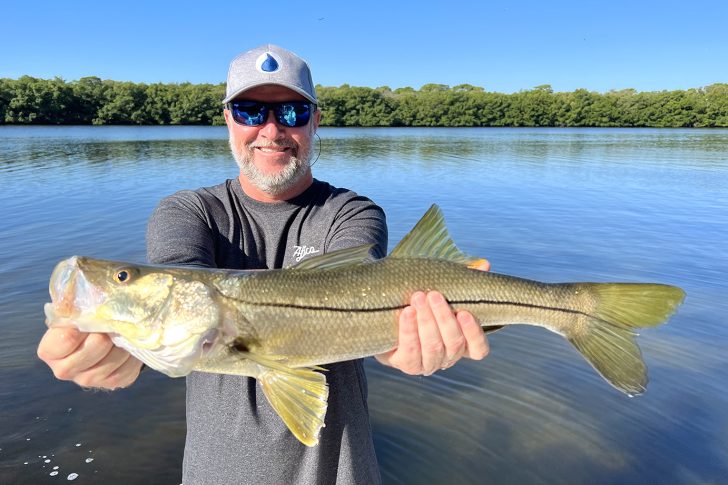
Redfish, on the other hand, are more cold water tolerant and not as sluggish. Due to the severe low tides of late, concentrate your efforts for redfish in many of the same locations as for snook. Redfish and snook do co-habitat so, many times, you’ll find both species in the same locations.
Additionally, anglers should pay close attention to tidal movements, as redfish and snook are often more active during outgoing tides when bait is flushed from the surrounding shallower areas into deeper water. Adjusting your fishing schedule to coincide with these tidal changes can dramatically improve your chances of success.
The spotted seatrout fishing remains one of the most productive of the three species, if you’re counting on fish for dinner. Trout really stack up in the cooler months. Not only do you catch spotted seatrout, but there’s always a good mix of silver trout.
Seatrout aren’t too picky in their selection of bait, either. Now is a good time to experiment. Live bait, shrimp, jigs, spoons, top waters, and suspended hard baits all produce strikes.
During periods of low tide, water levels drop significantly, concentrating fish into smaller areas and making them more accessible to anglers. Timing your outings to coincide with these low tide windows can increase your chances of encountering active fish in channels and deeper pockets. Be mindful of subtle changes in water depth and structure, as fish often gather near submerged ledges and holes during these times.
When fishing these species during low tides, stealth and quiet approaches are essential, as fish can be easily spooked in confined waters. Using lighter tackle and making longer casts can help prevent disturbing the fish and increase your chances of a successful catch. Don’t overlook the importance of natural presentation and matching the hatch to the forage available in the area, for best results.
Tampa Bay also has two power plants. Their warm water outflows extend hundreds of yards from the plant and attract multiple species of fish. Some notables are cobia, sharks, and Spanish mackerel. Added to the mix are the hard fighting jack crevalle and the acrobatic ladyfish.
These warm water discharges create unique microclimates that can keep fish active, even during colder spells, providing anglers with consistent action when other areas slow down. Early mornings and late afternoons near these outflows are often the most productive times to target these diverse species, as fish congregate in the warmer currents seeking both comfort and abundant food sources.
In addition to monitoring water temperature and tides, weather patterns can also play a significant role in fishing success. Overcast days often encourage fish to venture out from cover, making them more receptive to feeding. Conversely, bright sunny conditions may prompt fish to seek shade or deeper water, so adapting your approach to the day’s weather can enhance your overall catch.
Regarding bait, bigger isn’t always better when it comes to fishing during cooler months. As the metabolism slows in fish, they prefer smaller bait fish. The same goes with shrimp. When buying shrimp, go for the medium-size–not the jumbo. Remember, elephants eat peanuts!
Afishionado, “Adventures in Fishing.”