
By Julie Graham
The Cherokee National Forest offers some of the best freestone trout fishing in the Southeast. Spanning 650,000 acres across the Southern Appalachians, it’s the largest block of public land in Tennessee and it’s divided neatly in two by the Great Smoky Mountains National Park.
On the north side, mountain streams tumble through hemlock hollows toward Cosby. To the south, the waters of Citico Creek cut deep through wilderness ridges near the Unicoi Mountains. Together, they showcase the Cherokee’s range. From roadside creeks to backcountry runs, the forest offers anglers a taste of freestone Tennessee trout water.
Cosby Creek: Northern Solitude
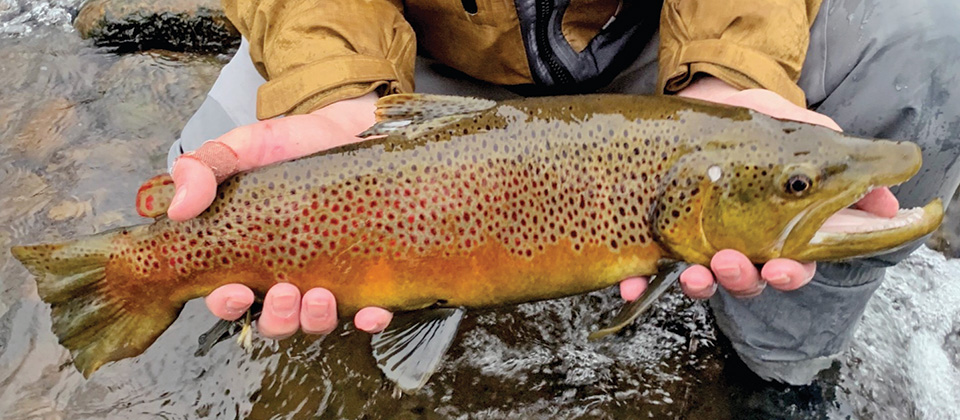
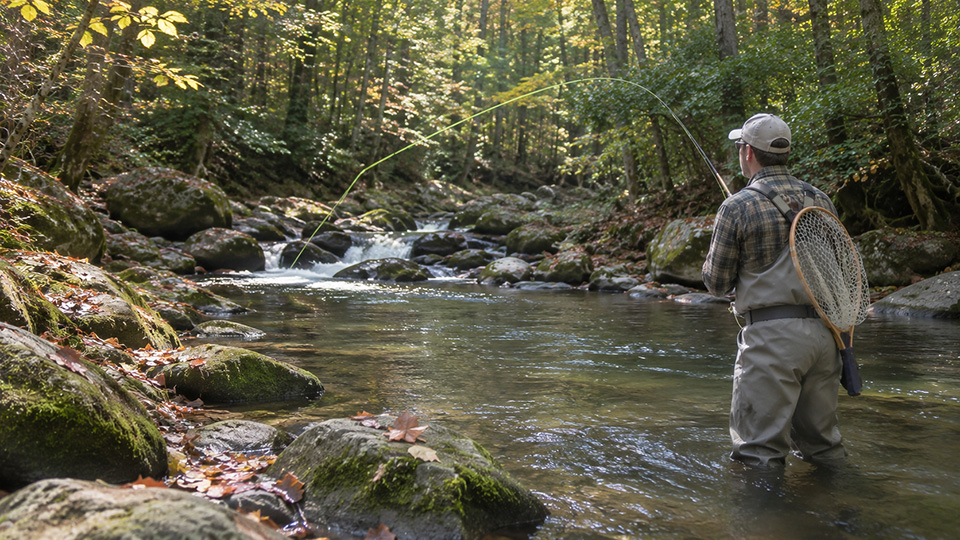
Below the Great Smoky Mountains National Park boundary, Cosby Creek winds through the community of Cosby, Tennessee, offering accessible trout water without the added park permit. These lower stretches are regularly stocked by the Tennessee Wildlife Resources Agency (TWRA) and can provide productive fishing throughout spring and fall. While access is somewhat limited, anglers will find several bridges and pull-offs along Highway 32 where they can wade in. The streambed is rocky and slick, with plenty of boulder pockets and undercut banks—good traction and careful footing are essential. Expect stocked rainbows with the occasional brown trout.
Inside the Park, the Cosby Campground section is ideal for bank fishing and light wading, especially for those who prefer easy access close to trails and picnic areas. Brook trout dominate the upper reaches, while rainbows hold in the deeper pools below.
Citico Creek: Wilderness Water
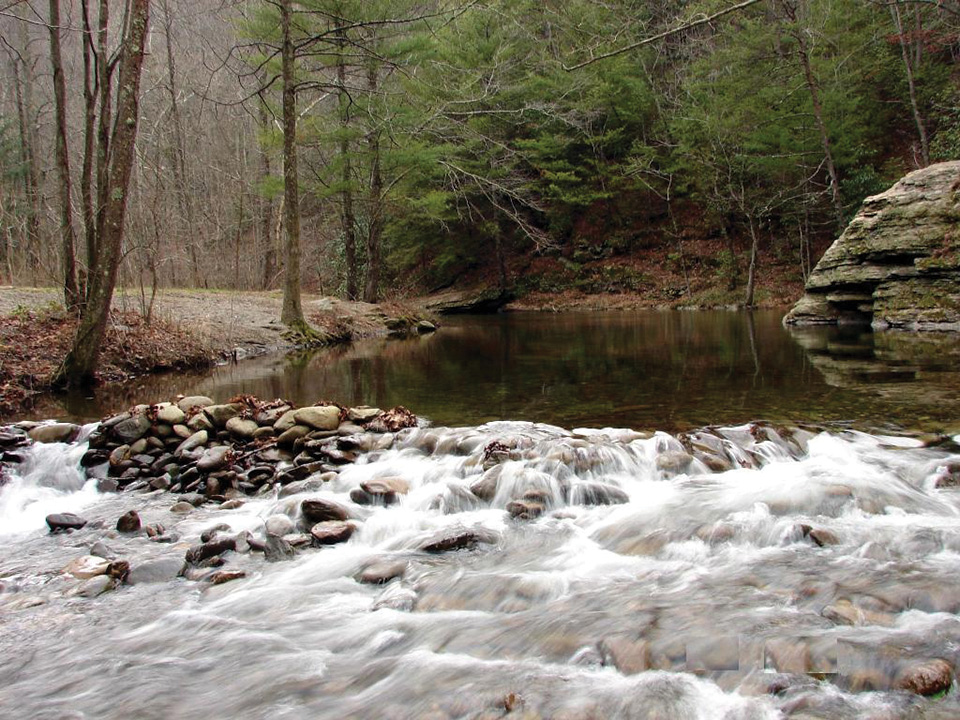
To the south, Citico Creek drains more than 20,000 acres of rugged country on the western edge of the Cherokee. Fed by the north and south forks rising in the Unicoi Mountains, Citico offers a blend of stocked and wild trout water—ideal for anglers who like a mix of easy access and adventure.
The TWRA regularly stocks Citico from Little Citico Creek to the Citico Creek Wilderness boundary, while the upper forks hold self-sustaining populations of wild rainbows and browns.
The Cherohala Skyway marks the southern edge of the Citico Creek watershed, and just driving it is worth the trip—sweeping vistas, fiery fall colors, and the sound of water around every bend.
Fall Fishing Tips
Autumn is prime time on both sides of the Cherokee National Forest. Water temperatures drop, trout feed hard before winter, and the hardwood ridges turn to flame.
- Match the Hatch: Early fall favors terrestrials; in November, go small with blue-winged olives, midges, and caddis emergers.
- Go Light: Clear, low flows call for 6X or 7X tippet and longer casts.
- Mind the Leaves: Drift leaves can snag a line—look for deeper pools below riffles where trout hold under cover.
- Start Late: Cooler nights mean fishing often improves mid-morning as the water warms slightly.For more information, including licensing regulations, visit the Tennessee Wildlife Resources Agency at https://www.tn.gov/twra.html.