
Winter on the East Coast doesn’t mean the fishing shuts down — far from it. While temperatures drop, some of the year’s most exciting action kicks off. From striped bass pushing south to giant tautog feeding hard on offshore structure, winter is an opportunity for anglers who know where to look and how to adapt.
Below is a breakdown of what to expect, where to go, and how to make the most of East Coast winter fishing.
🎣 1. Striped Bass: Migration Magic
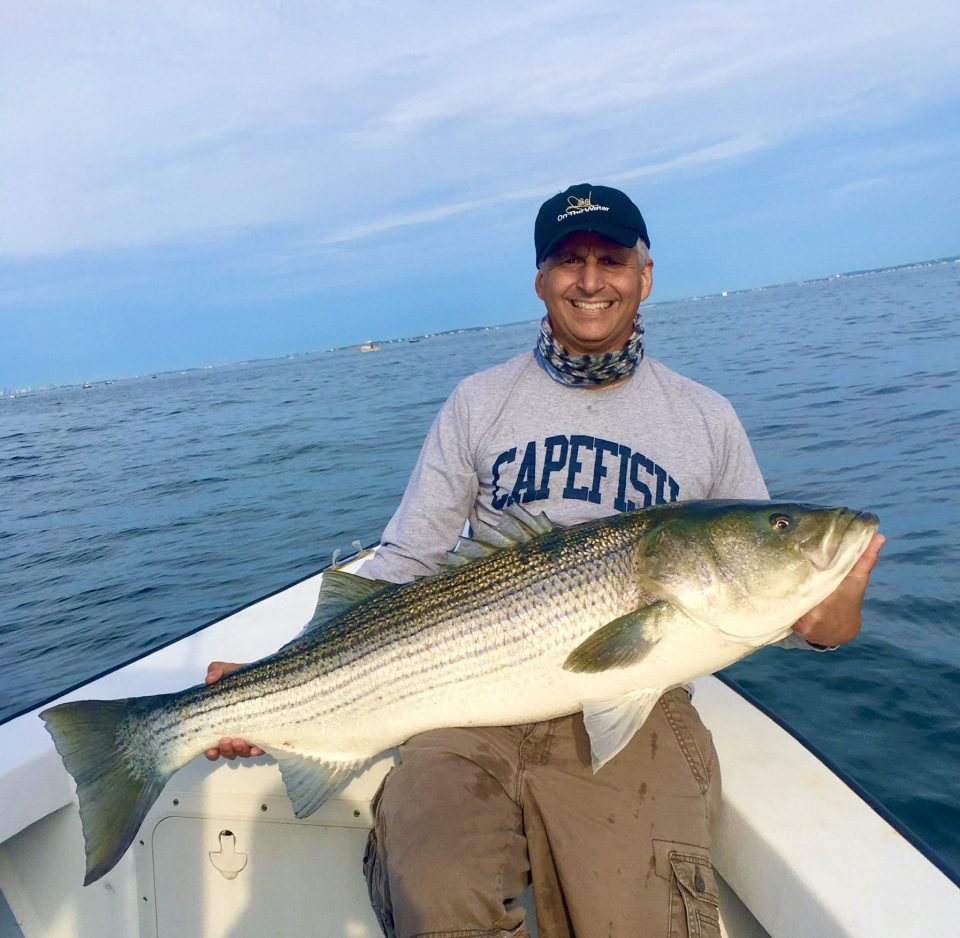
Striped bass define the winter season along much of the East Coast.
Northeast: By late November and early December, most big fish have moved south of New York and New Jersey, but schoolies still hang around warm-water outflows and deeper back bays.
Mid-Atlantic: December–January is prime time in New Jersey, Delaware, Maryland, and Virginia. The mouth of the Chesapeake Bay routinely produces trophy-class fish this time of year.
Southeast: By January, many stripers push into the Carolinas. Cape Lookout, NC, can see excellent winter blitzes.
Best baits: metal jigs, 6–9″ soft plastics, bunker spoons, and live eels (where allowed).
Pro tip: Target deeper channels and rips on warmer afternoons — bass feed more actively when the sun bumps water temps a degree or two.
🐟 2. Tautog (Blackfish): Winter’s Hardest Puller
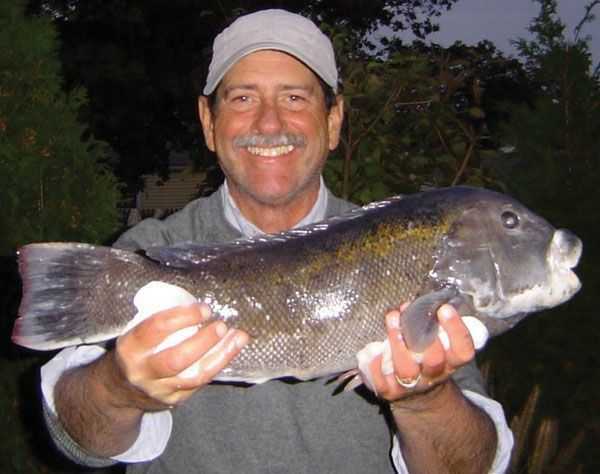
If there’s one fish synonymous with winter on the northern half of the East Coast, it’s tautog.
These powerful bottom dwellers thrive in cold water and congregate on deep structure: wrecks, rockpiles, and reefs.
Where to target:
Southern New England
New York Bight
New Jersey wrecks
Delmarva coast
Top baits: green crabs, white-leggers, Asian crabs.
Rigs: single-hook bottom rigs with 50–60 lb leader.
Why winter is prime: Cold water pushes tog into tight clusters, and the biggest fish of the year — double-digit “whitechins” — often come between December and February.
🐠 3. Redfish & Speckled Trout in the Southeast
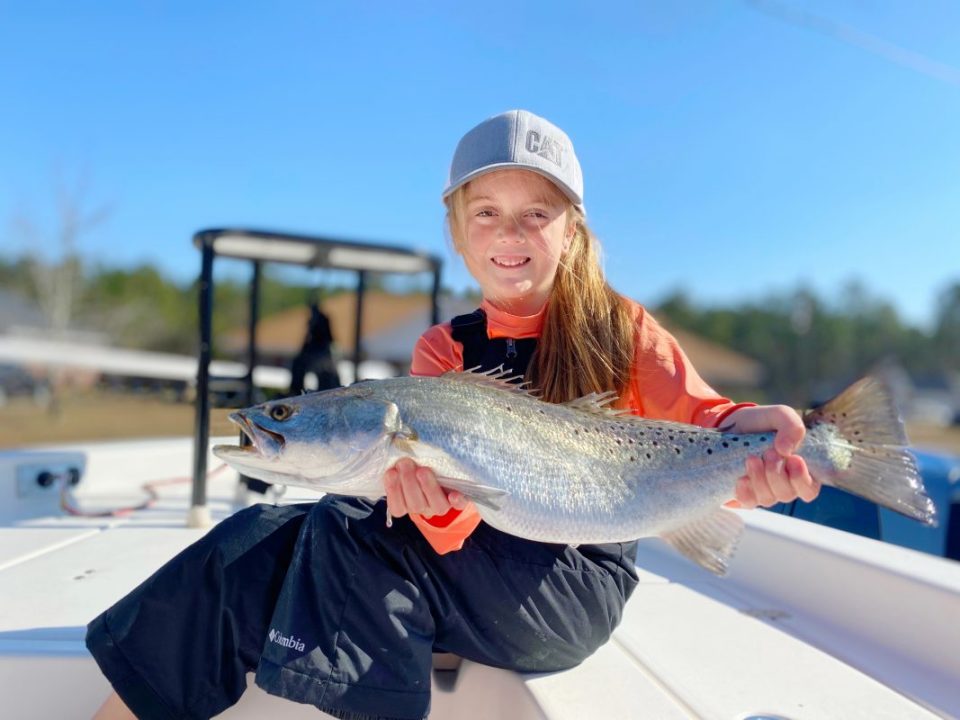
From the Outer Banks to Florida’s First Coast, winter is a sleeper season for inshore anglers.
Redfish:
School tightly in shallow mud flats during sunny days.
In clear winter water, finesse presentations shine.
Trout:
Concentrate around deeper holes, creek mouths, and bridges.
Eat slowly presented MirrOdines, soft plastics, and live shrimp.
Pro tip: Winter inshore fishing is all about low and slow. Downsize baits and retrieve at a crawl.
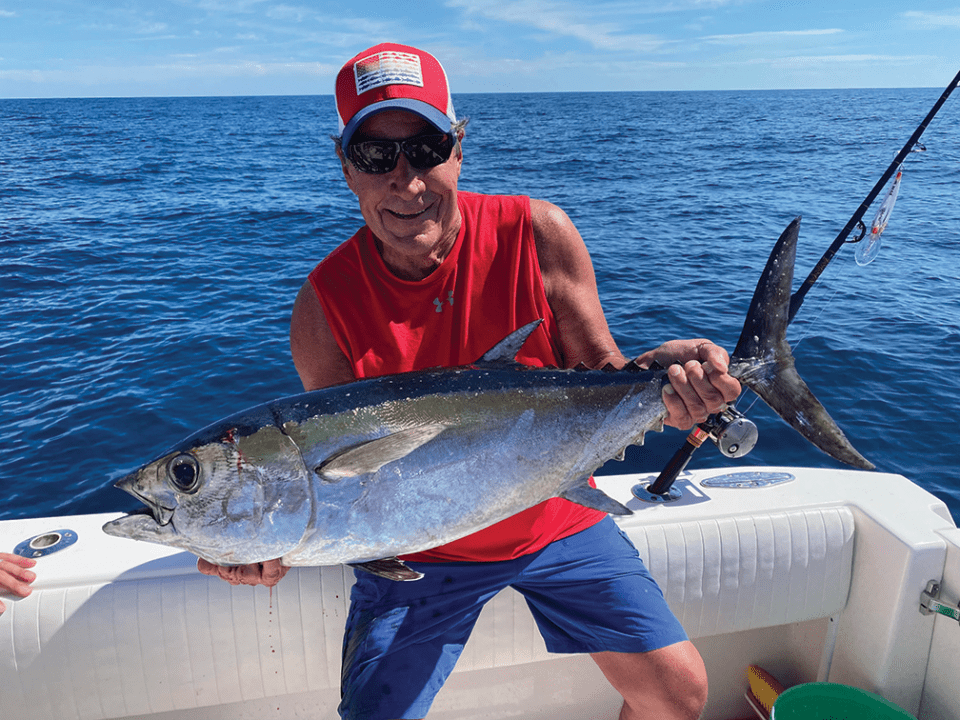
🦅 4. Offshore: Tuna, Wahoo, and Bottom Fishing
Winter isn’t only about inshore action. Offshore waters offer some impressive cold-season opportunities:
Yellowfin Tuna:
Offshore of Virginia, North Carolina, and sometimes New Jersey (during warm-water breaks).
NC’s Outer Banks winter fishery is world-class.
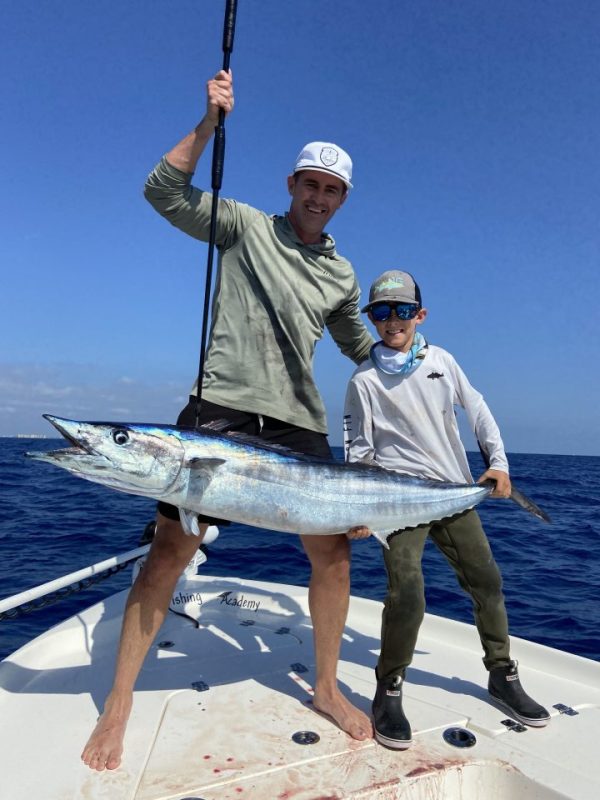
Wahoo:
Southeast coast from South Carolina to Florida sees excellent winter wahoo trolling.
Bottom Fishing:
Sea bass, triggerfish, snapper, and grouper remain options in the southern states.
Wrecks and ledges produce consistent action all winter.
❄️ 5. Gear & Tactics for Cold-Weather Success
Fishing winter waters requires adjusting your approach.
Use Lighter Tackle When Water Clears
Winter brings some of the clearest water of the year — especially in estuaries.
- Decrease leader size.
- Switch to natural colors.
- Slow your retrieve.
- Fish Midday Instead of Sunrise
- Unlike summer, winter fish feed more aggressively when the water warms slightly.
- Late morning through afternoon is often the best window.
- Dress Smart & Stay Safe
- Wear layered, moisture-wicking clothing.
- Bring gloves, waterproof boots, and a windproof jacket.
- Keep safety gear ready if fishing open water — winter rescues are time-sensitive.
🌬️ 6. Why Winter Is Underrated
Anglers often overlook winter, but it offers:
- Less fishing pressure
- Active species that love cold water
- Clear conditions that make sight-fishing incredible
- Opportunities for personal-best fish
- With the right planning and techniques, winter may become your favorite season on the East Coast.
