

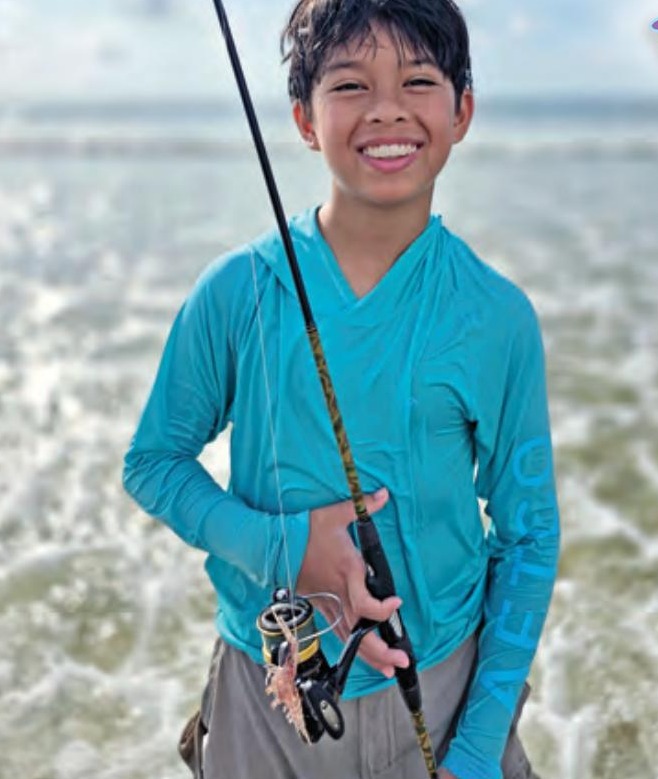
One of my favorite things about fishing isn’t catching fish myself: it’s watching a kid catch one. There’s something special about seeing a young angler’s face light up when a cork disappears, and a speckled trout starts pulling back. Over the years, I’ve introduced a lot of kids to fishing, including my own boys, and one of the easiest ways I’ve found to help them succeed is with a popping cork.
Kids don’t always have the patience to wait on a fish to bite. They want to cast, reel, and stay involved. A popping cork gives them something to do while keeping a bait or lure in the strike zone. Every pop creates noise and commotion that imitates feeding fish, helping trout locate the bait. More importantly, it keeps kids engaged and focused.
When fishing live bait, it’s hard to beat a lively shrimp under a popping cork. Whether you’re fishing shorelines, reefs, or grass beds, the cork attracts trout while keeping the bait at the proper depth. The sound gets their attention, and the shrimp does the rest. It’s a simple setup that consistently catches fish and builds confidence in young anglers.
Artificial lures work just as well. I often prefer them when fishing with kids because I spend less time rebaiting hooks and more time helping them catch fish. A soft plastic under a popping cork allows kids to cast, pop, and retrieve while covering water efficiently. It also teaches them how to work a lure without making things overly complicated.
One thing I’ve learned is that tackle designed for adults doesn’t always hold up when kids are involved. Rods get dropped, tackle gets stepped on, and gear gets bounced around the boat. That’s one reason I’ve moved away from many traditional wire-style corks.
Most anglers have opened a tackle box and found a wire cork bent after a day on the water. Once the wire is bent, the cork rarely casts the same. Many wire designs also have several moving parts that can tangle during a cast, especially in the hands of a young angler. Over time, the wire can even nick fishing line, creating weak spots that often show up when a good trout is hooked.
Durability is another advantage of hard-plastic corks. Unlike foam designs that can crack, chip, lose its color, hard-plastic corks can handle years of abuse in a boat and continue performing like new.
At the end of the day, taking kids fishing should be fun. A durable popping cork paired with live bait or a soft plastic lure keeps things simple, productive, and exciting. The more bites kids get, the more they stay interested, and that’s how future anglers are made.
Take a kid fishing, I will!