

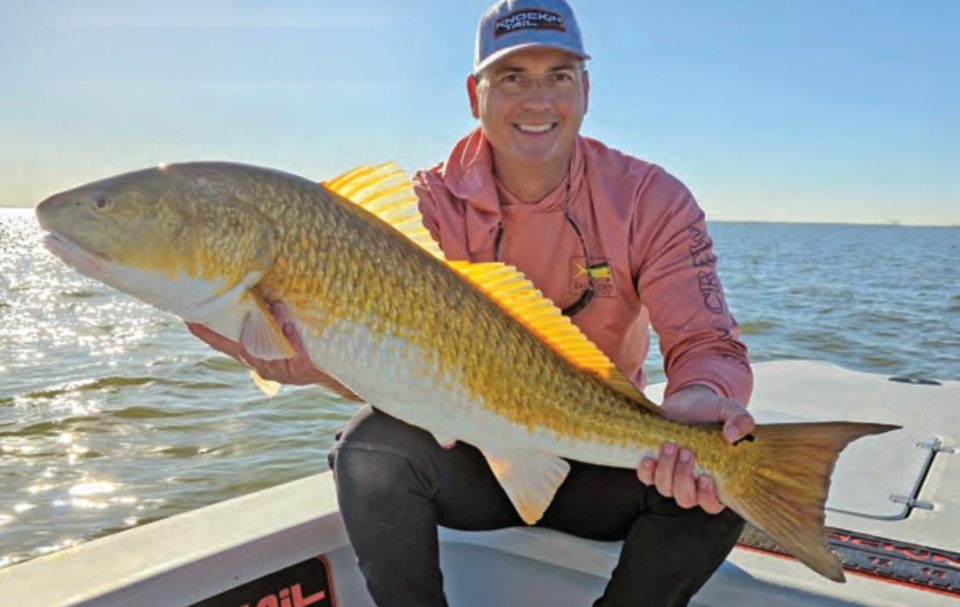
February might not get the hype of spring break or summer tides, but proficient coastal anglers know a secret: some of the best fishing of the year happens when the crowds are gone, the water is cold, and the fish are predictable.
Winter has settled in by February. Water temperatures hover in the upper 40s to low 50s, especially after a strong north wind. That cold pushes bait and gamefish into tighter zones, turning miles of water into a handful of high-percentage spots. If you can find warmth, you can find fish.
Speckled trout are the headline act this time of year. Big trout in particular prefer slow, easy meals in cold water, which is why February is prime time for trophy hunters. Deep guts, channels and drop-offs near shallow flats are key. Trout slide shallow during the afternoon when the sun warms mud or dark grass, then fall back into deeper water when temperatures drop.
Slow presentations rule. Soft plastics on light jig heads, suspending twitch baits, and soft jerk shads worked slowly can trigger reaction strikes. Make sure you know the gear ratio of your reel. You may think you are moving slowly, but if the reel is taking up a lot of line, you may be off target. Cold-water trout won’t chase far, but they will inhale an easy meal.
Redfish remain a dependable target throughout February. While they may not school as aggressively as in the fall, reds still prowl shorelines, back lakes, and marsh drains, especially on sunny days. Look for black mud bottoms that warm faster and concentrate bait.
Sight-casting opportunities can be outstanding on calm, clear days. Reds cruising skinny water are often willing biters, even in cold conditions. Gold spoons, paddletails, and weedless soft plastics shine here, particularly when worked steadily along shorelines.
February fishing success is less about the tide chart and more about the thermometer. Midday is prime time. Early mornings can be brutally slow after a cold night, but a few hours of sunshine can flip the switch fast. Pay attention to warming trends: two or three stable days can dramatically improve the bite.
Wind plays a major role this month as well. Strong north winds drain water out of bays and expose structure, which can help you locate fish holding in remaining deeper pockets. On calmer days, expect clearer water and more finicky fish.
February rewards patience, observation and confidence. It’s not about covering water, it’s about fishing smart, fishing slow, and being ready when that unmistakable thump signals a wintertime strike worth remembering.
As I write this article in January, it is near 80 degrees. With that said, if February feels like an early spring, follow your spring fishing guidelines. The fish don’t have a calendar.