
There’s just something magical about fall fishing. The air cools, the bait thins out, and everything that swims gets a little hungrier. For me, it’s the holy trinity of the season: flounder migrations, trout and reds chasing shrimp under screaming gulls, and the early whispers of trophy trout time.
The Fall Flounder Run
Ah, yes, the famous fall flounder migration. This is more prevalent in some areas, but they can be caught all along the Gulf Coast. These flat ambushers stack up near the passes as they make their way to spawn in the Gulf, gorging on bait along the way. When I’m targeting flounder, I switch things up. My go-to is a scented soft plastic, preferably the Titan Series from Knockin Tail Lures. Not only are they scented, but they also have a rattling tail. Working this along the bottom will entice violent strikes. Since flounder love to bury themselves and wait in ambush, I keep that lure tapping bottom, twitching my rod sideways, whether I’m wading or boating. It’s a finesse game, part patience, part persistence, and when that telltale “thump” hits, it’s pure satisfaction.
Birds, Bait, and Mayhem
Then there’s the chaos of gulls dive-bombing over shrimp and schooling fish, a sight that’ll make any angler’s pulse jump. Fall often brings bigger trout into the mix, turning every cast into a thrill. I prefer to use a heavier jighead (1/4 to 3/8 ounce) to achieve the desired action without spooking the birds or the fish. Durable soft plastics help keep me in the fight longer, and I mash the barbs down for quick releases and faster re-casts. When the schools settle and the birds thin out, a topwater lure can coax the bruisers to rise, and few things beat watching a big trout explode on the surface.
Solunar Science and Timing the Bite
As fall rolls on, my focus shifts toward trophy trout, and timing becomes everything. I’ve followed solunar fishing tables since childhood, back when my grandparents’ calendars marked “good” and “poor” fishing days with little fish icons. Over the years, I’ve been both a believer and a skeptic, but I’ve noticed a pattern: my best bites often align with solunar peaks. Now, I plan my day around them. Instead of running and gunning, I’ll anchor in a promising area during a predicted feeding window and wait it out.
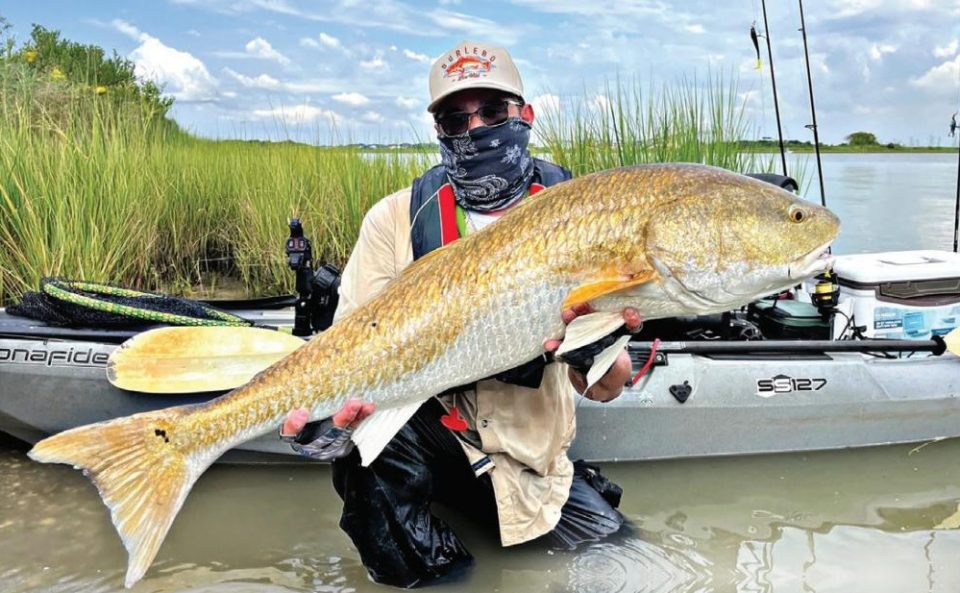
On a recent trip with my boys, we missed the morning bite but stuck it out for the next solunar cycle. We anchored near a grass edge meeting a sandy flat and, right on cue, rods bent. For seventy glorious minutes redfish hit every few casts, and sometimes we doubled up. My sons were smiling, the drag was screaming, and the solunar chart earned another believer that day.
So as the air cools and the fish feed up, grab a rod, bring a kid, and let the tides, and maybe the moon, guide your next adventure.