

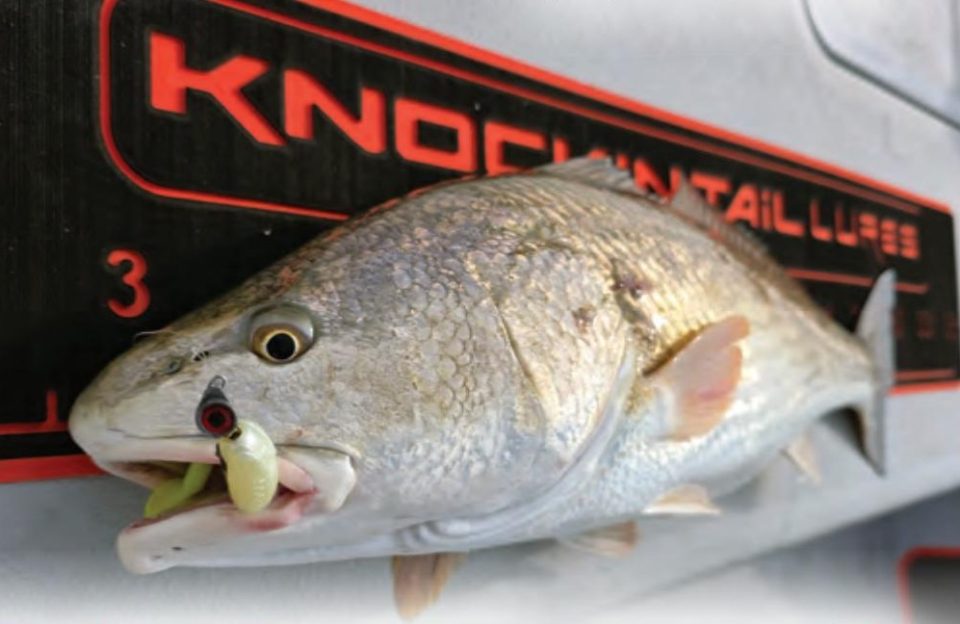
October might just be the perfect month to be on the water. The blazing heat of summer has faded, boat traffic thins, and the marsh comes alive with shrimp, finfish, and the “big three”: trout, redfish, and flounder, all fattening up for the season. For anglers, that means opportunity.
This time of year, I like to keep things simple but intentional. Soft plastics in the 3.25-inch range are my bread and butter. I lean toward paddle tails because I can cover water quickly and the vibration draws strikes from aggressive fall fish. Durability matters too, because when the action gets fast, the last thing you want is to burn time swapping out torn lures. Rigging depends on cover and depth: sometimes weedless, sometimes a jig head, but either way, adapt to the structure in front of you.
Outgoing tides are my favorite. They concentrate bait and predators alike into smaller, target-rich areas. Look for drains, bayou mouths, bends, and reef cuts. Even island points can funnel current and stack fish. Once you’ve found the spots, presentation is everything. Reds often respond to a steady retrieve, trout like a twitch-twitch pause, and flounder react best to a lure darting along the bottom, stirring up a little commotion. Of course, no fish reads the manual: sometimes the “wrong” retrieve produces the right bite.
Which brings me to one of the best lessons I’ve learned: sometimes you’ve got to break your own rules. On a recent quarter-moon tide, I worked a shallow grass flat with two rods rigged identically except for lure color. One was white with a limetreuse tail, the other pumpkinseed with green glitter. Early on, the reds were all over the pumpkinseed, inhaling it on a fast, steady retrieve just under the surface. But when I noticed trout feeding nearby, I switched things up. Instead of swimming the bait, I bounced it hard off the bottom, fast twitches with short pauses. Suddenly, the trout lit up, and they showed a clear preference for the white limetreuse.
That day drove home an important point: don’t get stuck on what’s working. Change the speed, change the color, change the action: sometimes even when the bite is good, it can get better. Covering the same water with different retrieves or presentations lets you unlock what different species want, even when they’re feeding in the same spot.
So, as October cools the air and the marsh fills with life, keep your tackle simple but your approach flexible. Target those pinch points on a falling tide, let the fish tell you what retrieve they want, and don’t be afraid to experiment. The fish are hungry, the weather is kinder, and it’s the perfect time to grab a kid, a paddle tail, and make some memories.