

By Thatch Maguire, Editor at Large
Fishing has long been a cherished pastime for millions around the world, offering a unique blend of relaxation, excitement, and connection to nature. However, with increasing pressure on aquatic ecosystems, ethical anglers are turning to catch and release fishing as a means to enjoy the sport while safeguarding fish populations for future generations. This practice, when done correctly, provides ecological, educational, and recreational benefits that extend well beyond the individual angler.
One of the most significant advantages of catch and release fishing is its role in conserving fish populations. Many popular fish species face threats from overfishing, habitat loss, and climate change. By releasing fish back into their natural habitats, anglers help maintain healthy population levels, ensuring that future generations can continue to enjoy the sport.
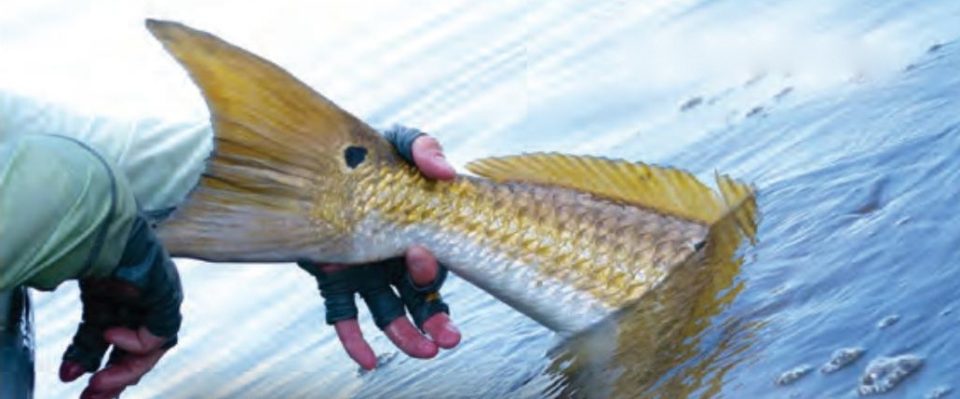
To maximize the survival rate of released fish, it is essential to handle them properly. Techniques such as using barbless hooks, minimizing handling time, and avoiding contact with the fish’s gills or slime coat are critical. Tools like rubberized landing nets and fish-friendly dehooking devices further reduce stress and injury, allowing the fish to recover and thrive.
Fish play integral roles in aquatic ecosystems, often serving as both predators and prey. Removing too many individuals from a population can disrupt these delicate balances, leading to cascading effects throughout the ecosystem. Catch and release fishing helps mitigate this risk by allowing fish to return to their environment and continue fulfilling their ecological roles. Healthy fish populations contribute to water quality, biodiversity, and the overall stability of aquatic habitats.
Catch and release fishing also promotes a deeper sense of ethical responsibility and stewardship among anglers. It encourages a shift from viewing fishing as purely extractive to appreciating it as an opportunity to engage with nature in a more sustainable way. This perspective aligns with the principles of conservation-minded organizations, inspiring individuals to advocate for clean water, habitat restoration, and responsible fishing practices.
Beyond the ecological benefits, catch and release fishing enriches the overall experience for anglers. Knowing that their actions contribute to conservation can provide a sense of fulfillment and purpose. Additionally, the challenge of landing a fish, observing its beauty, and releasing it unharmed adds a layer of skill and respect to the sport. Many anglers report that the act of releasing a fish is as rewarding as catching it, if not more so.
Catch and release fishing serves as a powerful teaching tool for younger generations. By involving children and new anglers in this practice, seasoned anglers can instill values of conservation and respect for nature. These lessons foster a lifelong appreciation for the environment and encourage responsible outdoor recreation.
In an era where human activities increasingly impact natural ecosystems, catch and release fishing stands out as a practice that balances enjoyment with responsibility. By embracing this approach, anglers contribute to the preservation of fish populations, the stability of aquatic ecosystems, and the cultivation of ethical outdoor traditions. Whether fishing for sport or relaxation, choosing to release your catch ensures that the thrill of the fight, the joy of connection, and the beauty of nature remain accessible for generations to come.