

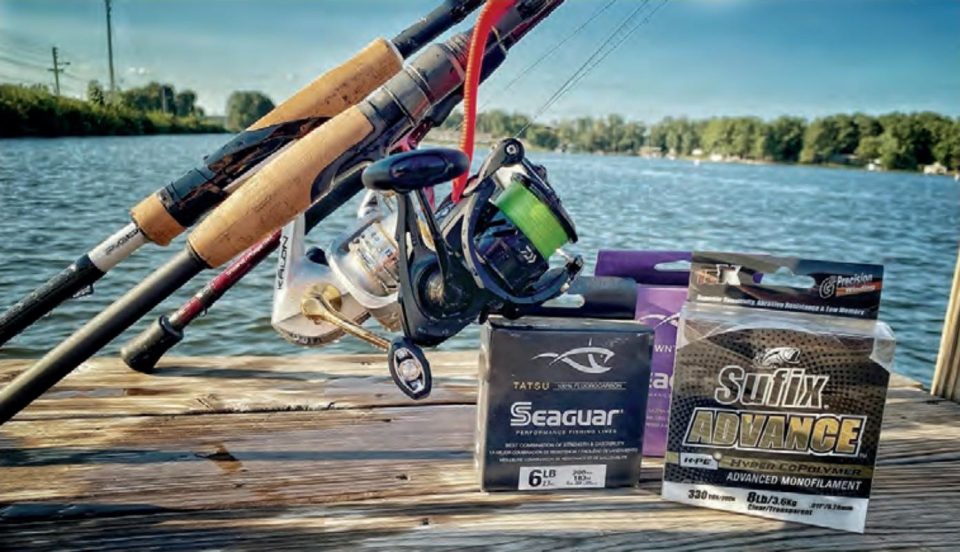
Choosing the right fishing line is crucial for success on the water. Two popular options, braided and monofilament lines, offer distinct advantages, and your choice often depends on your fishing style, target species, and conditions. Let’s compare their strengths and weaknesses to help you decide.
Braided line stands out for its high strength-to-diameter ratio. Its thin profile allows for less drag and greater line capacity on reels, making it ideal for deep-water fishing. For instance, a 30-pound braid can match the diameter of an 8-pound monofilament. Monofilament, while thicker, provides added durability and is often preferred in situations requiring extra shock absorption, such as battling fish with sudden, strong runs.
Braid has minimal stretch, giving it superior sensitivity. This makes it perfect for techniques like jigging or bottom fishing, where detecting subtle bites is crucial. It also enhances hook-setting power. On the other hand, monofilament’s stretch acts as a cushion during hard strikes, reducing the risk of breakage.
Monofilament generally offers better abrasion resistance, making it a top choice in areas with rocks or heavy cover. However, it is prone to UV damage over time, which can weaken the line. Braid is more resistant to UV exposure but can fray easily when rubbed against rough surfaces.
Braided line’s thin diameter and lack of stretch give it an edge for long-distance casting, especially in open water. However, monofilament’s low visibility underwater makes it advantageous for targeting skittish fish in clear water. To counter braid’s visibility, many anglers use a fluorocarbon leader.
The choice between braid and mono depends on your needs. Braid excels in strength, sensitivity, and casting, while mono shines in shock absorption, abrasion resistance, and stealth. Many anglers carry both to adapt to various scenarios or use a braid mainline with a mono or fluorocarbon leader for versatility.
Ultimately, knowing when to use each type can make all the difference in your fishing success.