

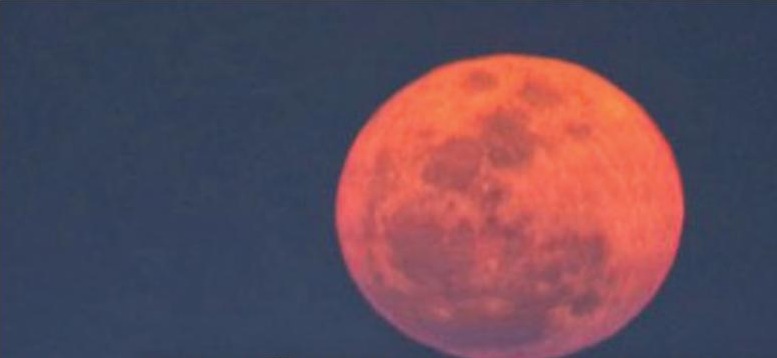
Anglers have long observed that fish activity is influenced by the lunar cycle, giving rise to what are now known as lunar tables. These tables serve as invaluable tools for predicting when fish are most likely to be active and feeding. But how do lunar phases affect fishing, and how can anglers use lunar tables to their advantage?
A lunar table provides information on the moon’s phase and its position relative to the Earth and the sun. These factors significantly affect tides, which in turn influence fish behavior, especially in coastal and tidal waters. The moon’s gravitational pull creates tides, and as the water moves, it stirs up nutrients and prey, encouraging fish to feed.
Beyond tides, fish have a circadian rhythm that governs their daily activities, including eating and resting. Many species, especially saltwater fish, also follow a lunar rhythm directly influenced by the moon’s phases. Fish tend to be most active during the new moon and full moon phases, when tidal movements are more pronounced and feeding conditions improve.
Key Lunar Phases
1. New Moon: During the new moon, when the moon is between the Earth and the sun, strong “spring tides” occur due to the combined gravitational forces of the sun and moon. These heightened tides trigger more active feeding, particularly inshore and near tidal flats.
2. Full Moon: Like the new moon, the full moon also causes strong spring tides. Fish, especially predators, are more active at night during this phase, taking advantage of the increased light for hunting.
3. First and Last Quarter: These phases generate weaker “neap tides,” with less pronounced tidal changes. Fishing can still be productive, but fish activity is generally reduced compared to the new and full moon phases.
Lunar or solunar tables break down the moon’s influence into specific time slots for optimal fishing, categorizing them into “major” and “minor” feeding periods. Major periods occur when the moon is directly overhead or underfoot, while minor periods happen when the moon is on the horizon. Major periods generally result in higher fish activity, although both are useful for timing fishing trips.
Most lunar tables are simple to read, often color-coded for clarity. High fish activity times may be highlighted in green or red, while less favorable periods might appear in blue or gray. By planning your fishing trips around these prime times, you can increase your chances of success.
However, lunar tables are just one factor among many. Weather, water temperature, and the habits of specific fish species also play crucial roles. For instance, overcast conditions during a full moon can reduce visibility, hindering feeding, while high winds or changing barometric pressure may alter fish behavior.
Lunar tables are a valuable tool for anglers seeking to maximize their success. Understanding the moon’s phases and their effect on fish behavior, especially during new and full moon phases, can help you plan fishing trips during peak activity periods. Although they don’t guarantee a catch, combining lunar tables with local knowledge and weather conditions can significantly enhance your chances of a productive day on the water.