

Captain Ravenels Report
Coastal Angler | September 2026
Greetings from Edisto Island!
Few inshore fishing experiences around Charleston, South Carolina, compare to watching a redfish push across a flooded grass flat with its back and tail showing above the water. When the tide begins to rise and saltwater pours back into the marsh, redfish move into areas that were dry only hours earlier. For anglers who know how to read the tide, a flood tide can provide some of the most exciting sight-fishing of the year.
The key to catching redfish on a flood tide is understanding where the fish want to go. As the water rises over the spartina grass, redfish leave deeper creeks and drains and spread onto the shallow flats to feed. The newly flooded grass gives them access to fiddler crabs, shrimp, small baitfish, and other forage that becomes available with the rising water. Instead of randomly searching the marsh, anglers should concentrate on areas where fish can enter and exit the grass efficiently.
Small drains and creek mouths are excellent places to start. As the tide rises, redfish often use these channels as highways into the flooded marsh. Once the water gets high enough, they may spread out across the grass flat. Pay attention to points, potholes, small cuts, and areas where two sections of marsh come together. These features create natural feeding zones and can hold fish even when the surrounding grass looks completely uniform.
One of the biggest advantages of a flood tide is the opportunity to sight-fish. In Charleston’s clear, shallow marsh water, redfish can sometimes be spotted before they ever notice the angler. Look for nervous water, wakes, mud clouds, pushing water, or the unmistakable flash of a tail. On calm days, an angler standing on a poling skiff can often see fish moving through the grass well ahead of the boat.
Stealth is critical. Redfish in skinny water are easily spooked by a careless approach, so anglers should avoid excessive noise and sudden movements. If you’re fishing from a boat, use a push pole and keep a reasonable distance from the fish. Approach from downwind when possible and position the boat so you can make a long, accurate cast.
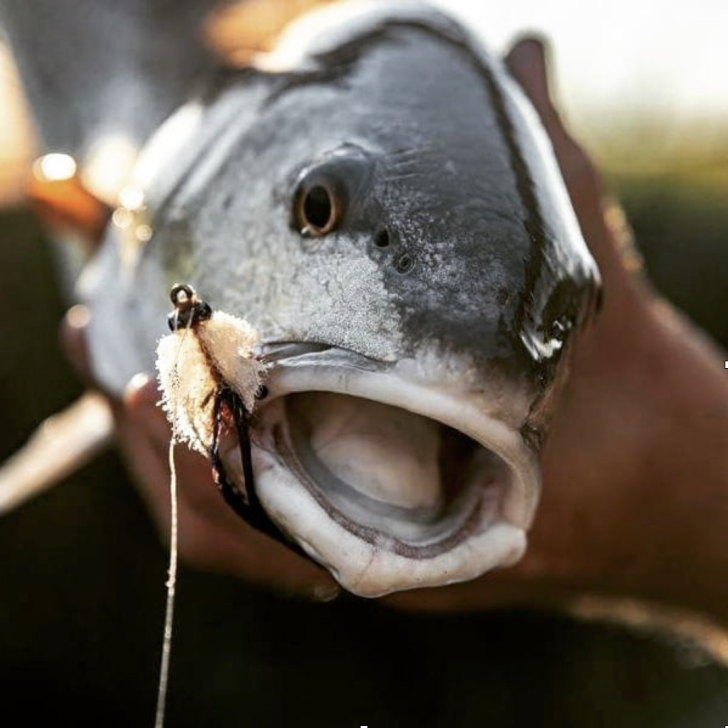
Artificial lures are popular for flood-tide redfish. A weedless soft plastic can be especially effective because it can be worked across shallow grass without constantly snagging vegetation. Topwater plugs can also produce explosive strikes when conditions are right. For fly anglers, crab and shrimp patterns are excellent choices. The most important thing is not necessarily the exact lure, but presenting it naturally and quietly in front of a feeding fish.
Timing the tide is another major piece of the puzzle. The beginning of the flood can be productive around drains and creek edges, while the higher stages may be better for fish that have moved deep into the grass. The ideal window varies depending on the location, tide height, weather, and water clarity. Keeping notes on successful trips can help anglers identify which flats consistently produce fish on specific tide cycles.
Weather also plays an important role. Light winds and good visibility make sight-fishing much easier, while strong wind can make it difficult to spot fish or deliver an accurate cast. Bright sunlight isn’t always necessary, but some light on the water can make wakes and movement easier to identify. Cloudy conditions can still produce excellent fishing, especially when fish are actively feeding.
Charleston’s extensive tidal marshes offer countless opportunities to explore this style of fishing. From the larger creeks to the shallow backcountry flats, the flood tide transforms the marsh into a giant feeding ground. The real reward isn’t simply catching a redfish. It’s learning to read the water, predict where the fish will move, make a quiet approach, and watch the entire interaction unfold in inches of water.
For anglers willing to pay attention to the tide and spend time learning the marsh, Charleston’s flood-tide redfish can become an addictive pursuit. When everything comes together—a rising tide, calm conditions, a flooded grass flat, and a redfish pushing water toward your fly or lure—there are few sights in South Carolina’s inshore fishing world more exciting.
RAVENELFISHINGCHARTERS.COM
We also offer two hour private Dolphin and Alligator trips for up to 12 people! Both of our boats offer plenty of room for the entire family. Check us out on Google as well so you can read some of our reviews!
EDISTODOLPHINTOURS.COM
Keep up with my day to day fishing and adventures…
@Justin_Ravenel