
By Joey Bloom, Bait Cave Customs Pro Angler
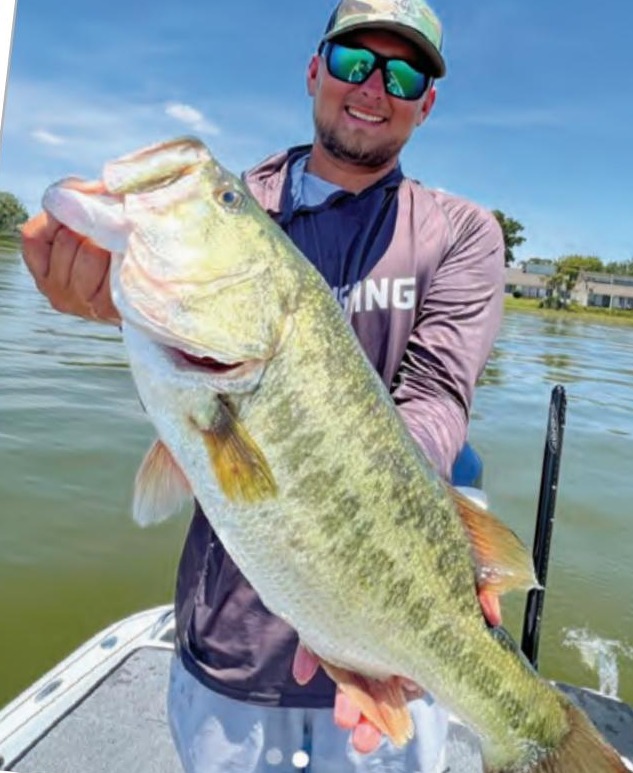
As summer settles in and water temperatures rise across the country, bass anglers are faced with a changing fishery. The shallow-water feeding frenzies of spring begin to fade, and largemouth bass transition into more predictable summer patterns. Understanding where bass position during the hottest months and selecting the right presentations can make all the difference between a slow day and a memorable one.
I believe one of the biggest mistakes anglers make during the summer is failing to adjust to bass movement. As the water warms, bass become more structure-oriented. They’re in search for comfort, oxygen, and easy feeding opportunities.
During the summer months, bass often position around offshore ledges, creek channel swings, brush piles, submerged vegetation, docks, and deeper points. Early in the morning and late in the evening, fish may move shallow to feed, but as the sun climbs higher, many bass seek deeper water or heavy cover to escape the heat.
One of my favorite ways to target these summertime bass is with Bait Cave Customs Cave Club floating worms. Their buoyant design creates a natural presentation that continues to attract strikes even when fish become less aggressive. The drop shot rig is one of the most productive techniques during summer. By rigging a Bait Cave Customs 4″ Flat Worm above a weight, anglers can keep the bait suspended just off the bottom where bass can easily see it. This presentation excels around deep brush piles, offshore structure, and schools of fish hiding in grass clumps. The subtle action of this floating bait often triggers bites from bass that ignore more aggressive presentations.
When targeting deeper structure, I frequently reach for a Carolina rig. A Cave Hog floating plastic trails behind the weight, gliding naturally above the bottom while covering large amounts of water. This technique is especially effective on offshore points, shell beds, and channel edges where bass congregate during the heat of summer.
For anglers fishing grass lines, docks, or scattered cover, a Texas rig remains a staple. The weedless design allows fishermen to work through heavy cover while the bait’s buoyancy creates a more lifelike posture when paused. Many summertime bites occur when the bait is sitting still, making the floating action a major advantage.
Flipping and pitching heavy cover is another key summer pattern. Bass often bury themselves in thick vegetation, boat docks, and shaded cover to escape direct sunlight. I rely on a Cave Cricket when punching through mats or flipping isolated targets because the bait maintains an enticing action even after reaching the bottom.
Summer bass can get conditioned to seeing the same presentations day after day. The floating plastics from Bait Cave Customs give fish a different look and allow the bait to stay in the strike zone longer. That’s often the difference between getting a bite and getting ignored.
By focusing on deeper structure, shaded cover, and offshore feeding areas while utilizing versatile floating plastics through techniques like drop-shotting, Carolina rigging, Texas rigging, and flipping, anglers can consistently catch more bass throughout the summer months. When the temperatures rise, understanding bass behavior and matching it with the right presentation is the formula for success.