
By Capt. Daniel Levesque, Rare Breed Charters
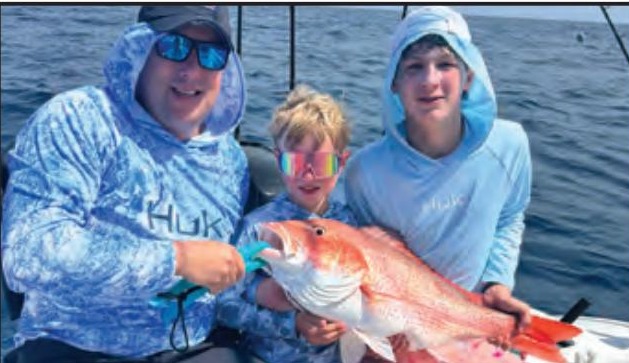
As we roll into summer, many anglers and charter captains alike were disappointed by the closure of the Atlantic red snapper season. The proposed season would have provided 39 days of harvest opportunity for what is arguably one of the most abundant fish on our offshore reefs and wrecks. While I believe there should be a better reporting mechanism in place for both recreational anglers and the charter fleet, the reality is that red snapper populations are thriving. Nearly every offshore structure is holding fish. Whether you’re bottom fishing, drift fishing, or even trolling, red snapper are aggressively feeding and willing to eat just about anything they can fit in their mouths. In fact, while trolling recently, we hooked several red snapper that came well off the bottom to attack baits.
Because red snapper often congregate in large schools, they become easy targets for larger predators such as Goliath grouper and several shark species. If you’re fortunate enough to bring one to the surface, knowing how to properly release the fish is critical to its survival. Until recently, I was venting fish to help relieve barotrauma, but I’ve found an even better solution: the SeaQualizer descending device. This easy-to-use tool features a Boga Grip-style attachment that securely holds the fish while a weight quickly returns it to depth. Once the fish reaches the predetermined depth, the device automatically releases it. In my opinion, it’s the most effective and fish friendly way to handle deepwater species while minimizing stress and releasing them safely.
With red snapper occupying so much of the bottom structure, we’ve spent much of this month targeting mangrove snapper whenever we can get bait past the red snapper schools. The mangrove bite has been productive, and they continue to provide excellent action and table fare throughout the region. As we settle into the calm summer pattern, remember that conditions can change quickly. While slick seas and light winds are common this time of year, keep a close eye on the western horizon. Afternoon thunderstorms can develop rapidly, and the ocean can go from calm to dangerous in a matter of minutes.
Good luck on the water, stay safe, and we’ll see you offshore.