

By Grayson Louis
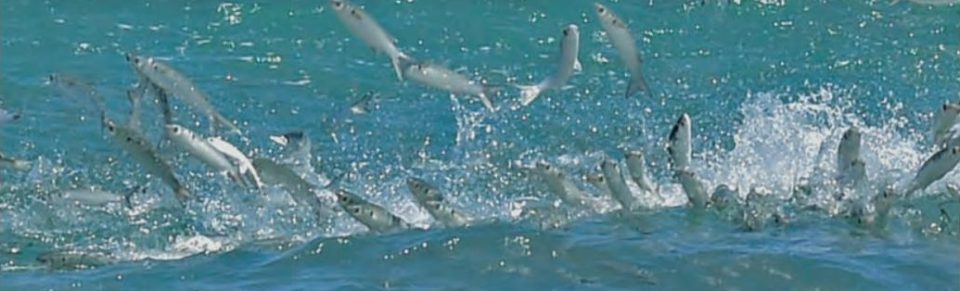
The mullet run is a captivating natural event that draws anglers, wildlife enthusiasts, and photographers to the southeastern United States each fall. This annual migration of mullet, a resilient and abundant fish species, plays a crucial role in the marine ecosystem and holds cultural and economic significance for coastal communities.
As temperatures begin to drop in September and October, millions of mullet, both striped mullet (Mugil cephalus) and white mullet (Mugil curema), begin their southward migration along the Atlantic coast and the Gulf of Mexico. They are driven by an instinctual need to spawn in the warmer waters near the Florida Keys. This migration, which can last several weeks, often features schools of mullet stretching for miles along the coastline.
The mullet run is vital for the species’ survival, ensuring the continuation of their population. Mullet are prolific breeders, releasing eggs in open water, which are fertilized and hatch into larvae. These larvae then drift with the currents back to estuaries, where they find a rich, sheltered environment to grow and mature before starting their own migration journeys.
For predators, the mullet run is a feast. Large schools of mullet attract a diverse array of marine life, including gamefish like tarpon, snook, and redfish, as well as apex predators like sharks. Birds of prey, such as ospreys and pelicans, also join in, diving into the schools to catch their fill. This abundance of food creates a feeding frenzy that is both a boon for wildlife and a breathtaking spectacle for observers.
Anglers eagerly anticipate the mullet run, as it offers a unique opportunity to catch trophy-sized fish that are otherwise elusive. Many anglers plan their entire year around this event, knowing that the presence of so many mullet will increase their chances of hooking a prized tarpon or snook. The mullet run also supports local economies, as the influx of tourists and fishing enthusiasts boosts business for bait shops, boat rentals, and coastal restaurants.
Beyond its ecological and economic importance, the mullet run holds cultural significance in the regions it touches. Coastal communities have long celebrated the mullet run with festivals, fishing tournaments, and other events that bring people together to appreciate the sea’s bounty. These traditions underscore the deep connection between humans and the marine environment, highlighting the importance of conservation efforts to protect this natural treasure for future generations.
Despite their resilience, mullet populations face threats from habitat loss and pollution. Conservation measures, such as fishing regulations and the protection of estuarine habitats, are essential to ensuring the continued success of the mullet run. By preserving the conditions that allow this migration to thrive, we safeguard a vital food source for many species and maintain a cultural and economic asset for coastal communities.
The mullet run is more than just a migration; it is a reminder of the intricate and interconnected web of life in our oceans. As we marvel at the sight of countless fish moving as one, we are also called to recognize our role in preserving the delicate balance of the marine ecosystem.