

By Dr. Benjamin Cole
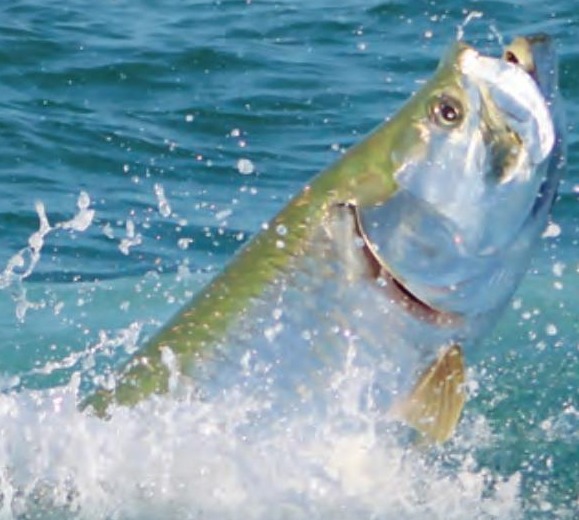
Tarpon (Megalops atlanticus), known as “silver kings,” are renowned for their acrobatic leaps and strength, making them a top target for anglers. However, their fascinating migration patterns also play a crucial role in maintaining marine ecosystems.
Tarpon migration is largely driven by the need for feeding and reproduction. These highly migratory fish can travel thousands of miles, influenced by water temperature, food availability, and spawning needs. Preferring temperatures above 72°F (22°C), tarpon move south during colder months, seeking warmer waters.
Found in the Atlantic Ocean and Gulf of Mexico, tarpon migration varies by region. Along the U.S. Atlantic coast, they travel from Virginia to Florida and the Caribbean, while in the Gulf, they move from Texas and Louisiana to Mexico. Their northward migration begins in late spring, driven by rising temperatures and abundant food. By summer, tarpon reach as far as Virginia, signaling the start of fishing season. As fall sets in, they return south to warmer wintering grounds.
A key driver of tarpon migration is spawning, typically occurring between May and September in offshore areas with strong currents. After spawning, larvae are carried into estuarine environments like mangroves and marshes, crucial nurseries for juvenile tarpon. These habitats are essential for the species’ survival, but environmental degradation threatens their health.
While tarpon are primarily a catch-and-release species, improper handling during fishing can lead to mortality. Conservation efforts, including safe fishing practices and habitat protection, are essential for sustaining tarpon populations. Organizations like the Bonefish & Tarpon Trust work to monitor migration, protect critical habitats, and promote responsible fishing.
Tarpon migration is a remarkable journey, driven by the search for favorable conditions. By protecting these iconic fish and their habitats, we can ensure their survival and preserve their role in marine ecosystems for future generations.