

By Tim Barefoot
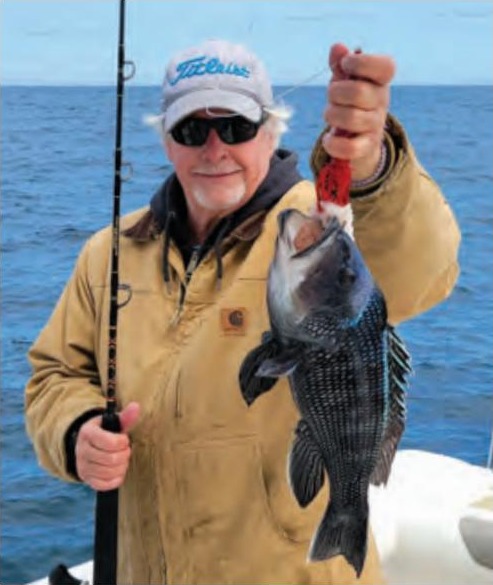
As winter deepens, cooler waters push more fish off the beaches and toward the warmer edges of the Gulf Stream. With grouper and snapper now off-limits due to regulations, it’s time to shift our focus to productive species still on the table: triggerfish, vermilion snapper (beeliners), and seabass. For those looking to venture even deeper, deep-dropping remains an exciting option.
The December full moon often marks a turning point in fishing. Grouper and speckled trout seasons wind down, leaving anglers to adapt to what the regulatory environment allows. Fortunately, the stacks of triggers, beeliners, and pelagics in deeper waters offer excellent opportunities. Start your search around the 150-foot mark and use your fishfinder to locate promising spots.
Tools of the Trade
For precision fishing, modern tools like spot-lock trolling motors, such as the Rhodan or Minn Kota, are game changers. These motors allow you to hover directly over schools of fish with ease. However, they can be limited when deploying a kite, as the wind necessary for kite fishing can drain trolling motor batteries quickly. That’s where anchoring, a classic yet effective technique, comes into play.
Yes, anchoring may feel like a step back for those spoiled by spot-lock motors, but it’s a reliable method for staying on productive marks without straining batteries. Once anchored, consider adding a kite to your fishing arsenal. Kites are particularly effective for enticing leader-shy species like yellowfin tuna and wahoo. When properly deployed, they minimize visible leader material in the water, often resulting in immediate strikes.
Teamwork and Preparation
Successful kite fishing requires teamwork. Assign one crew member to manage the kite and bait while others focus on filling the cooler with triggerfish and snapper. Proper setup is essential. Bring live bait from inshore or nearshore waters; cigar minnows, sardines, pinfish, and menhaden are excellent choices. A pinfish trap can also provide hardy, versatile bait. Supplement your live bait with cast-netted fish to use as live chum or cut into chunks.
A sabiki rig is another indispensable tool. Jigging up live bait at your fishing spot often produces exactly what predatory species are feeding on. Don’t hesitate to use small snapper, grunts, or other baitfish you catch with a sabiki as offerings on your light line or kite. Wahoo, for example, have been known to eat everything from full-sized grunts to snapper. Frozen or fresh Spanish mackerel also make excellent bait for wahoo and tuna.
The Experience
Fishing during this time of year is about more than just filling your cooler; it’s about enjoying the process and making memories. Whether you’re targeting bottom-dwellers like triggerfish or keeping a light line out for the chance at a wahoo or tuna, the key is to stay adaptable and prepared.
As always, take the kids along and capture plenty of videos of your adventures. Fishing is more than just a hobby: it’s a way of life.
For more from Tim Barefoot, visit barefootcatsandtackle.com and check out his YouTube channel.