
What it takes to photograph the fight — beyond the dock shot
By Robert Webb
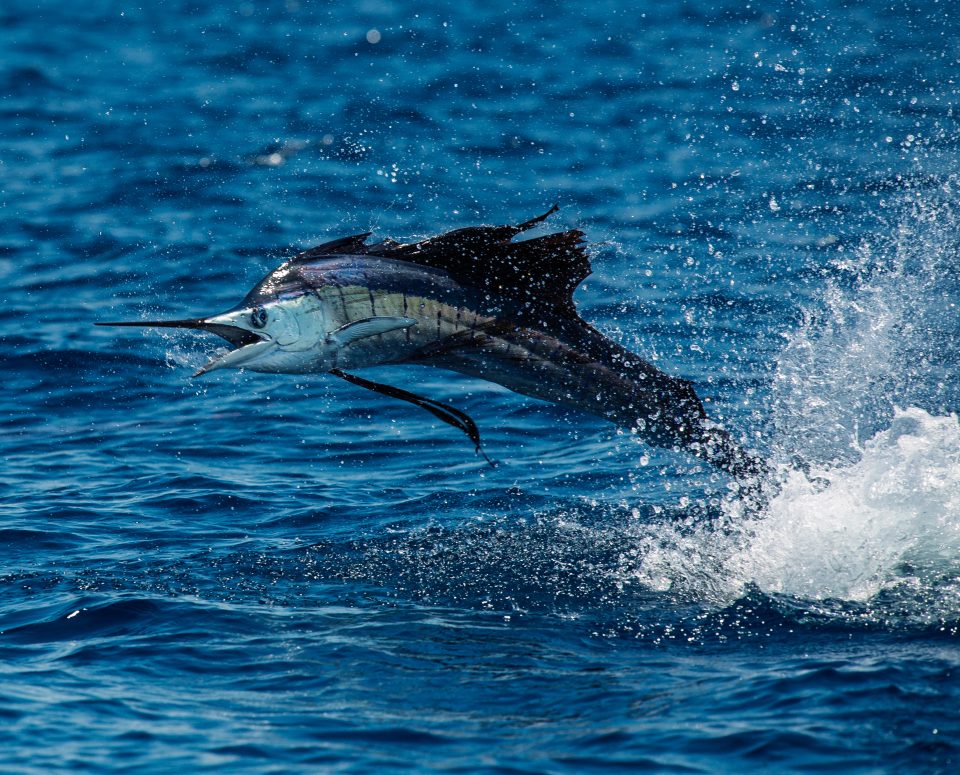
The sailfish came up lit, greyhounding across four-foot seas, and everything on the boat happened at once. The angler leaning into the rod. The mate calling the fish. Spray coming over the gunwale. Everyone trying to get a better view. The deck pitching under all of us. Me trying to get a shot while staying out of the way. And somewhere in there was a photograph — one frame where all of it lined up into a story worth telling.
That’s the shot I’m after. And here’s the thing about that fish: you’ll never see it at the dock.
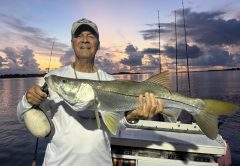
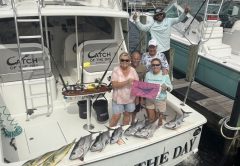
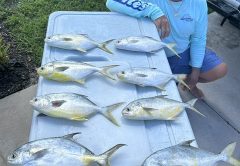
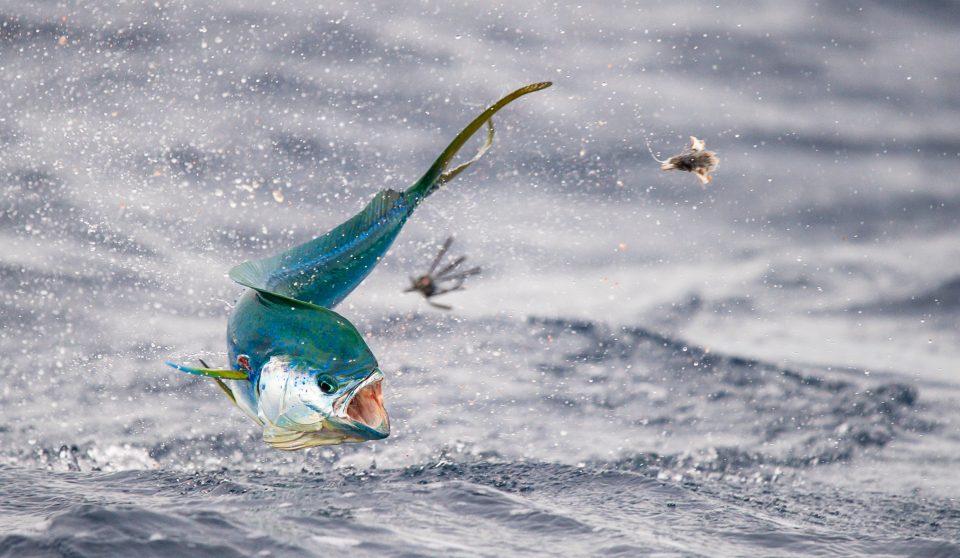
The only fish I can photograph are the ones that jump. A sailfish greyhounding, a marlin in the air, a mahi cartwheeling across the surface — that’s the fight, and that’s the picture. Bottom fish don’t jump. Most of what you keep doesn’t either. And the best of them, the billfish, are the ones that never come home — released boatside, gone under before the boat turns for the dock. There’s no fish to hoist, no shot at the cleaning table. The fight in the air, and your memory of it, is the only record that any of it happened.
The moment that actually mattered — the fight itself — is the hardest thing on the water to photograph. And for those fish, it’s the only thing there is to photograph. Which is exactly why it’s the thing worth photographing.
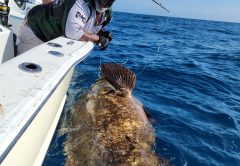
Here’s the problem with the fight: you can’t control any of it. You can’t pose a sailfish. The boat is pitching, the light is whatever the morning gave you, and the fish is only up for a second or two — less if it’s a mahi — before it drops back down. No retake, no second pass — maybe a second jump if you’re lucky, but never the same one.
So I stopped trying to control it. I call the way I shoot Capturing Chaos, and the idea is simple: don’t fight the chaos, shoot into it. When the fish comes up, I’m not hunting for one perfect frame — I’m firing fourteen frames a second and letting the camera re-decide focus on every single one, because in that kind of motion the next frame is a different picture than the previous. Volume is part of it — but only part. The rest is preparation: dialed-in settings, the right gear, and a lot of practice. Most frames in a burst are nothing. But one of them — sometimes just one — is the keeper: the fish sharp, the spray lit, the bill up, the whole story of that fight held in a single instant — captured in the midst of an adrenaline rush.
That’s the one I’m looking for. The best chaos — the moment order was pulled from the chaos. Luck plays a part. Preparation is what makes it count.
Nothing in my work is staged. No posed shots, no retakes, no “can we run that one more time.” What you get is what actually happened out there — your fish, your fight, your story, exactly as it went down. When a photo lands, it doesn’t just prove you caught something. It puts you back on that deck — back inside the chaos, every time you look at it.
We’re lucky to fish where we do. The Treasure Coast doesn’t call itself the Sailfish Capital of the World for nothing, and the action running out of these inlets gives a photographer more stories to work with than just about anywhere. There is chaos worth capturing out there — more than can be seen from the dock.
Robert Webb specializes in offshore sportfishing action photography, shot from moving boats. Local to Stuart. See more of his work at robertwebbphotos.com.