

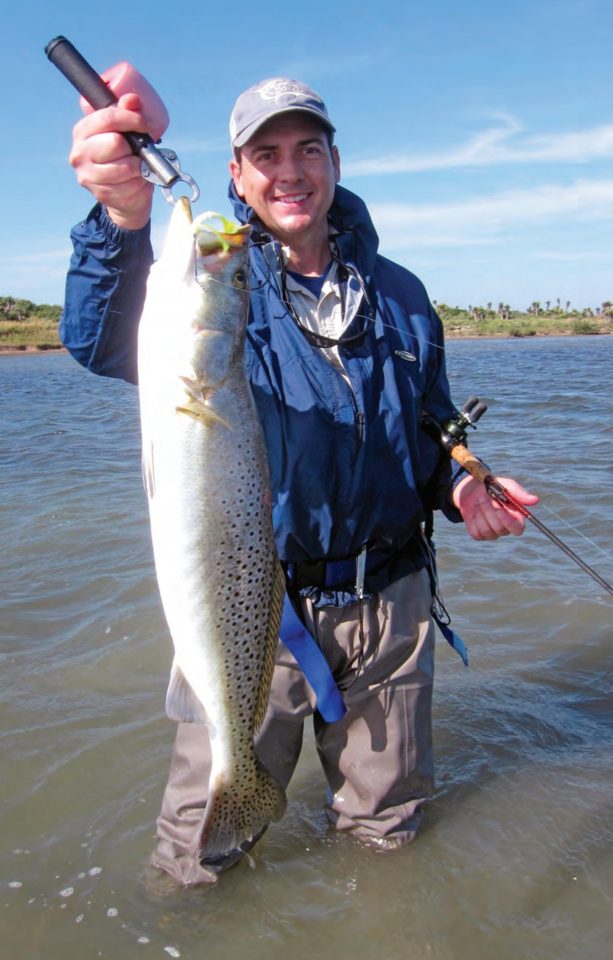
The question of lure size is a common debate among anglers, and while different situations require different approaches, one thing is clear: fish don’t read fishing articles or watch YouTube videos. They eat when they want, and as anglers, it’s up to us to adapt. In my experience, adjusting lure size is more important than focusing on color, especially in winter fishing for coastal species like trout, redfish, and flounder.
Size vs. Color
When things aren’t going as planned, many anglers immediately reach for a different color. However, I find size to be the more important factor. Fish are typically feeding on prey of a specific size, not necessarily a specific color. In my experience, changing the size of the lure is usually more effective than changing its color. If size doesn’t produce a bite, I might try changing the style of the lure next.
Changes in Estuaries
As winter approaches, our estuaries undergo several changes: cooler water temperatures, shifting forage patterns, less boat traffic, and often clearer water. These changes create two schools of thought about lure size: go bigger or go smaller. Some anglers upsize their lures for the entire season, while others prefer downsizing. Both strategies can work, and I will utilize both methods.
Cooling Water and Fish Behavior
Cold fronts trigger cooling water temperatures and unpredictable fish behavior. Unlike the more consistent feeding patterns of stable weather, early winter can make fish moody, switching between aggressive feeding and total inactivity. Late fall and early winter can be some of the best fishing of the year, especially when schools of bait are flushed out by falling tides. Hungry speckled trout and redfish follow these schools, and I prefer using smaller lures in these active feeding conditions. Fish are typically feeding on smaller prey like shrimp or shad, so a similarly sized lure is often the best match.
During these times, I also favor non-natural colors. When bait is abundant, fish can more easily spot a contrasting color, helping them target your lure amid the feeding frenzy. This is different from spring fishing, where matching the color and size of the bait is key. In the fall and winter, standing out with an eye-catching color can be more effective.
Clearer Water and Smaller Lures
Another reason for downsizing in winter is clearer water. In some bays, water visibility improves significantly during the winter, reaching depths of 6-7 feet of clear water. Fish aren’t accustomed to this level of clarity and can be more cautious. In these conditions, a smaller, less intrusive lure will often get more bites. When I can clearly see my lure bouncing along the bottom, a small presentation tends to be more successful.
Conclusion
Winter fishing requires flexibility. By focusing on size and action rather than color, and adjusting to factors like water clarity and post-frontal conditions, you’ll increase your chances of success. Fish may be moody, but with the right approach, you can adapt and still catch plenty of fish.