

By Thatch Maguire, Editor at Large
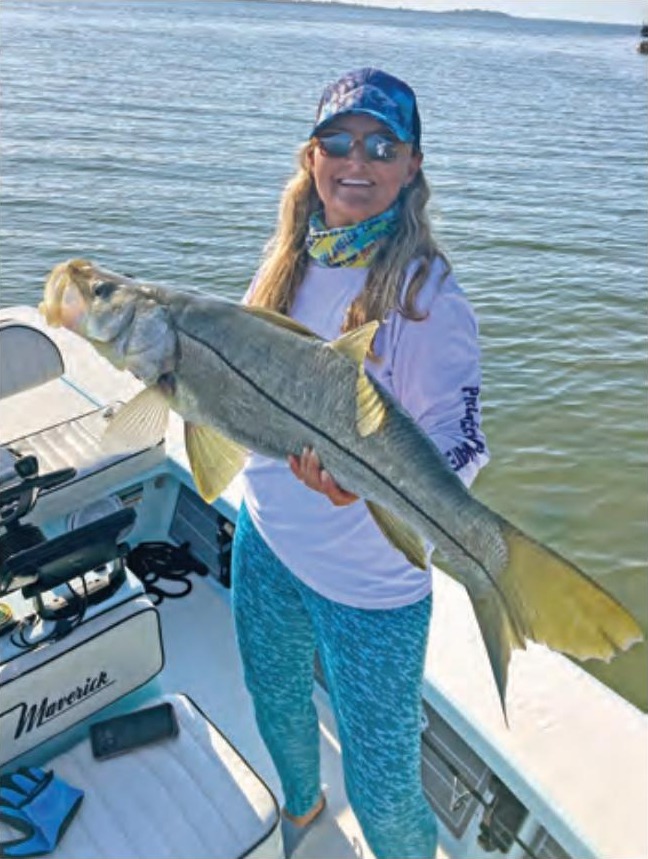
Snook are a great inshore/near shore species to target. Their predator style bite and their world class fight make them truly worthy of the gamefish title, but catching a snook or targeting snook can be challenging. While there are countless fisheries that hold snook, narrowing down the best area is not an easy call. Given that snook season opens on Florida’s east coast September 1st here are a few tips that will pay off in planning a successful snook fishing trip; one that nearly ensures your success.
First and foremost, where are you most likely to catch snook? That’s not a trick question. It’s the first question you should answer before planning your snook fishing expedition. My snook fishing efforts have led me to believe that the Jupiter Inlet on Florida’s East Coast is the most reliable estuary for easily accessible snook for beginners. My catch ratio over the many years that I have fished the Jupiter Fla. Inlet suggests that the primary species in and around this pristine inlet is snook. Day in day out, if you catch a fish in the Jupiter Inlet it will more than likely be a snook.
The next important question for a successful trip is what to use as a bait or lure? For the most predictable success I strongly recommend live bait. The bigger the better. Pilchards are my number one live bait, but croakers and pinfish work well too. Keeping your live bait lively and healthy is a chapter in itself. Changing your water regularly and adding aeration are key essentials to prolonging your bait’s life. There’s nothing worse than getting on top of the bite and discovering your bait is dead. We’ve all done it, but don’t let it happen to you.
Next on the check list is tackle. You’ll want to scrap the light tackle approach for Jupiter Inlet snook. Medium to heavy or you’ll invariably lose the big ones. I recommend a 20-pound braid with at least a 40-pound leader. Circle hooks are a good consideration if you’re experienced in using them. Nothing less than a #4. You better have a heavy-duty landing net too because some of these monsters just won’t fit into some of the more modest nets.
The next important question is the easiest to answer. Where in the Jupiter Inlet do I fish for snook with predictable results? Answer: just about anywhere! Obviously, docks are a great hiding place for snook, and night fishing will normally produce the best results around docks with lights or shadow lines. Flip a big pilchard under a dock light in Jupiter Inlet and watch what happens. You’re about to be tested because you’ve got to horse them away from the pilings or you’ll be kicking yourself for days. This is where the braid comes in handy. It’ll allow you to win that battle more often than not. But everybody loses that battle from time to time.
Seawalls are also a good source for targeting snook. They’re cruising the seawalls constantly so just be patient and let your live bait do all the work.
You can use live shrimp if that’s all you can get, but your species catch will not be predominantly snook. You’ll catch a fair amount of junk fish in Jupiter with live shrimp. I personally don’t want to confuse the effort with all that inferior action, and you don’t have to travel to Jupiter for that catch.