


By: Jessica Hendrie
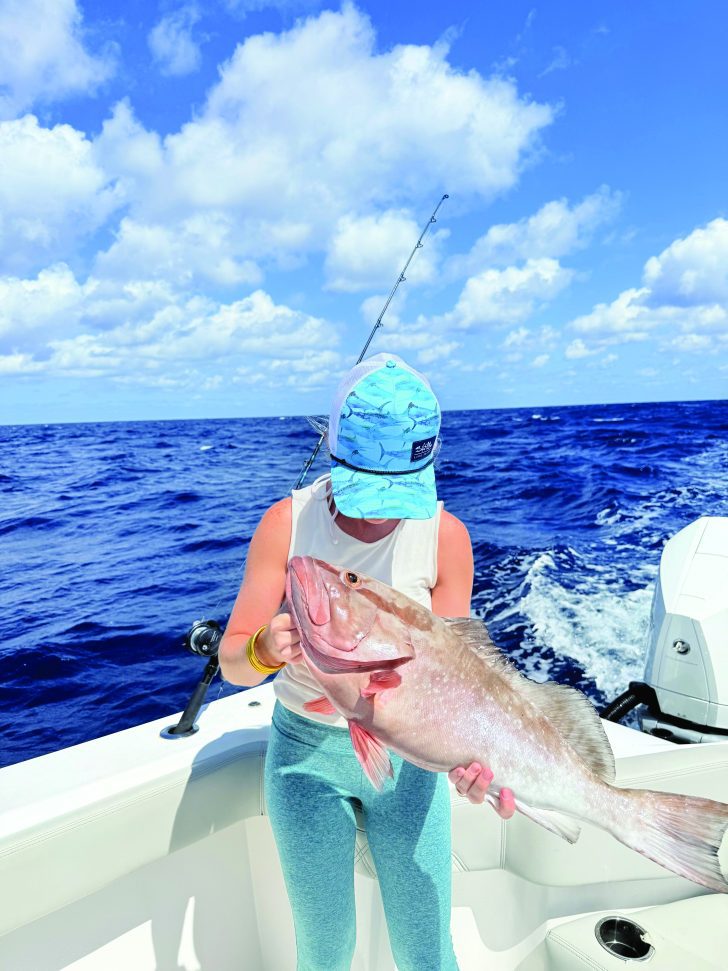 In a world that’s taken over by screens and instant gratification, the simple act of casting a line has become one of the most powerful tools to shape the minds of our youth. Fishing, as we once viewed as just a fun pastime, is now being recognized for its large impact on youth behavior building patience, responsibility, and emotional resilience that many new activities fail to deliver. When a child picks up a fishing pole, they’re learning way more than just how to catch fish. They’re mastering self-control. Waiting on that bite requires focus and calmness, two traits that help counter the short attention spans created by phones. Every moment spent beside the water, listening, observing, and waiting teaches them to slow down, reflect and appreciate what nature has to offer. Fishing also introduces accountability in a tangible way. Young anglers must learn to respect the regulations, care for their fishing gear, and handle fish with respect and empathy. Those lessons tend to go far beyond the water. Kids who learn to handle nature with care tend to approach people and other animals with that same sense of respect. The best influence of fishing is its ability to build character even through failure and persistence. Every missed fish becomes a chance to problem solve and practice perseverance. Parents, mentors, and youth leaders who fish with children often witness how these small frustrations evolve into teachable moments that strengthen confidence and independence. The pride of finally landing a fish after a dozen attempts becomes a quiet metaphor for life’s larger goal, work hard, be patient, and success will come. For many families, fishing is also a bridge. It opens space for conversations that might not happen otherwise. Away from Wi-Fi and distractions, children open up about school, friends, and emotions. The calmness of the outdoors encourages connection, grounding both kids and parents in a shared experience that builds trust and emotional well-being. At its heart, fishing is more than a sport, it’s a life lesson wrapped in fresh air and quiet water. Each cast gives our youth a little more patience, a little more purpose, and a much-needed sense of peace in an often-chaotic world.